If you are a beginner in needle felting you will be surprised to learn that there are different types of wool for needle felting. These wools look similar but have different price points and behave differently.
So let’s break it down and go through the main types of wool you will probably come across as a beginner.
If you are looking for more needle felting content, check these out
Needle Felting Tools (What You Actually Need)
Easy Needle Felting Projects for Beginners (That Actually Work)
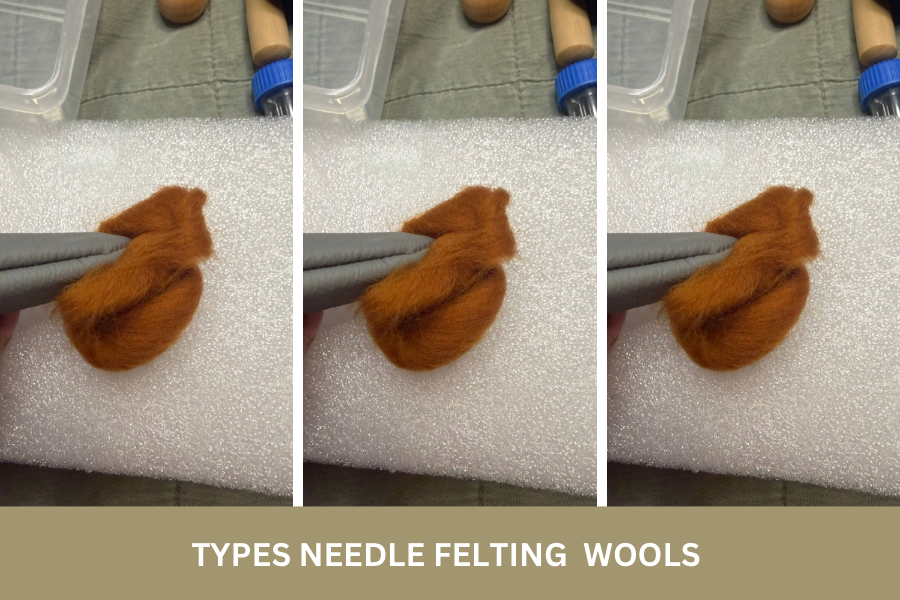
1. Carded Wool (Batting)
This is the easiest wool to work with making it the most beginner friendly
Carded wool has fibers going in all different directions, which makes it easy to stab and quick to felt.
Best for:
- 3D sculptures (Pumpkins, mushrooms, little ornaments )
- Almost everything when you’re starting
If you’re new, this is the one I recommend every time.
2. Wool Roving (Combed Top)
Roving has fibers all going in the same direction.
That makes it:
- Smooth and shiny
- Beautiful for surface work
- Slower to felt on its own
Best for:
- Long hair or fur
- colour blending
- Outer layers
- Adding details
Building an entire project from roving can be a little harder than batting but it’s doable and will just take longer, it’s great to use on the outer layers of your projects.
3. Core Wool
Core wool is usually undyed and used inside large projects.
It’s:
- More affordable
- Slightly coarser
- Great for bulk
Best for:
- The inside of bigger Sculptures
- Large shapes
- Saving your pretty dyed wool for the outside
If you are making a large project, this is wool is perfect for the centre
4. Merino Wool
Merino is soft, beautiful and expensive, It can be hard to use for beginners because the fibres are so fine.
Best for:
- Detailed surface layers
- Realistic animals
- Smooth finishing
If you are a beginner, You don’t need Merino wool, it’s definitely a luxury that isn’t necessary at all.
5. Coarse / Corriedale Wool
Corriedale wool is so much fun to use.
It’s:
- Slightly coarser than merino
- Easy to felt
- Still soft enough for details
Best For
- Firm shapes
- Practice projects
- Everyday felting
This wool is easy to felt and behaves nicely, and firms up very well. It’s ideal for beginners in that sense.
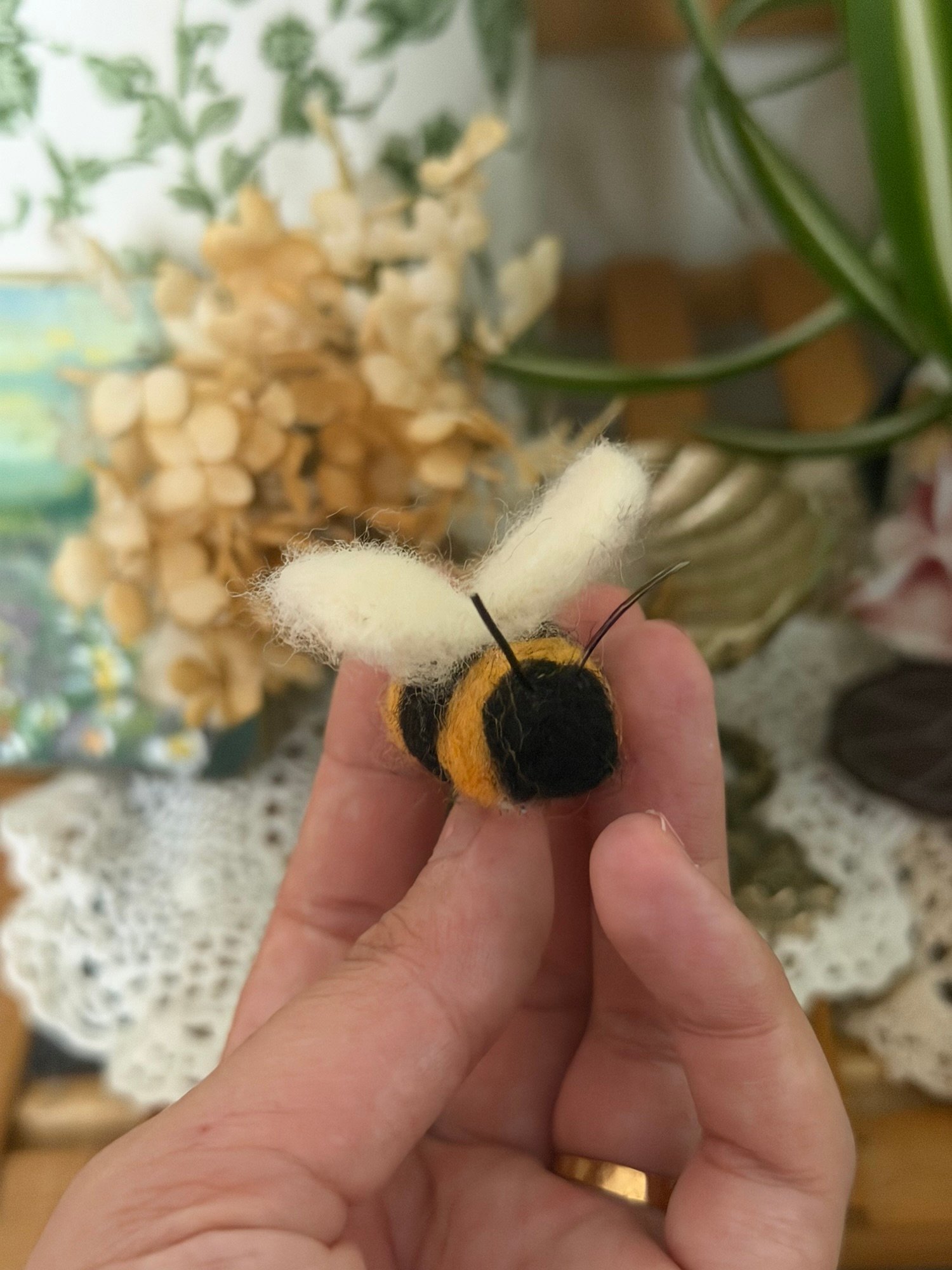
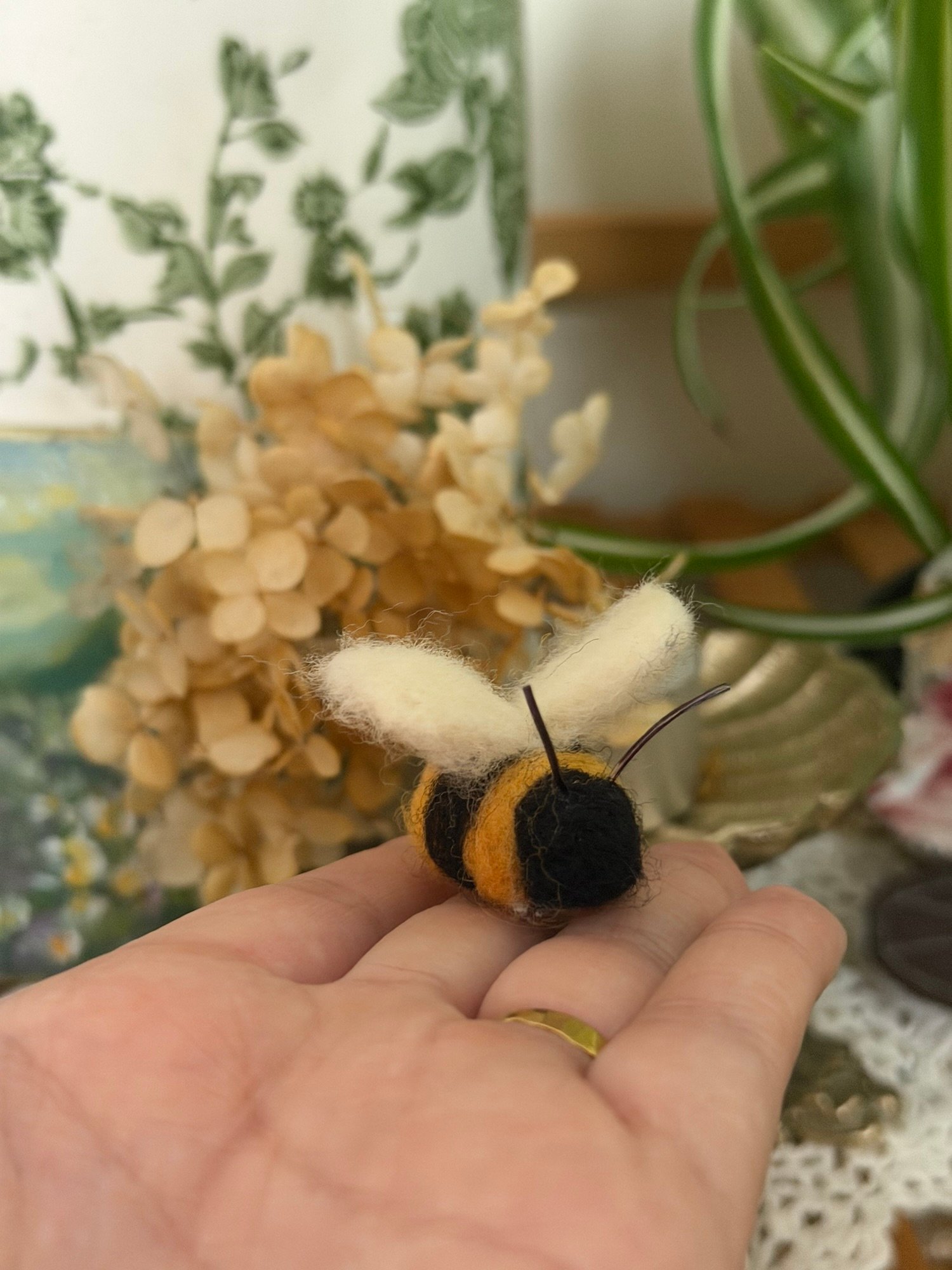
So What Should You Actually Buy?
If you’re just starting:
- Carded wool in a few colours
- A small amount of core wool (if making larger items)
- Maybe a little roving for detail
That’s it.
You don’t need every type of wool in the craft shop to needle felt.
Final Thoughts
Once you understand what each type does, felting becomes less intimidating and fun. So if you are someone like me that learns from doing then I recommend you buy the wool in smaller quantities and experiment and have fun !