Why Your Embroidery Looks Uneven and How To Fix It
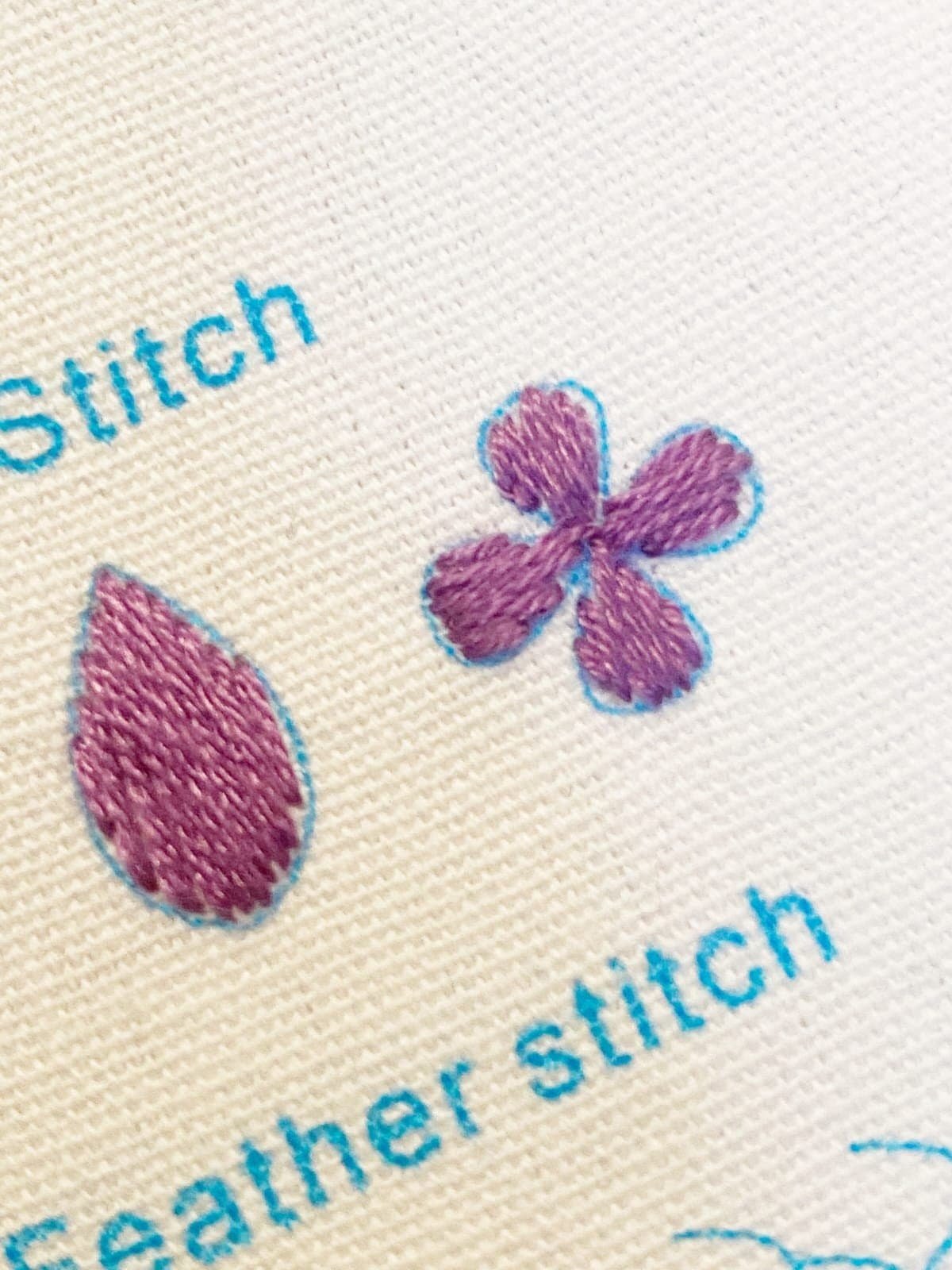
It can be pretty devastating when you finish an embroidery pattern, ou followed the instructions correctly, you even used the exact same floss colors, only to say “Why does this looks so uneven?”. Uneven stitches are super common for beginners. So lets talk about what causes it and how to prevent it.
Let’s break down why embroidery can look uneven, and what you can do to improve it.
1. Inconsistent Stitch Length
One of the biggest causes of uneven embroidery is inconsistent stitch length. When stitches are different lengths, it can look messy, this is especially common in outlines and lettering.
Why it happens:
- Stitching too quickly
- Not marking guidelines
- Changing hand tension as you work
How to fix it:
- Slow down and focus on placing each stitch
- Lightly draw your design on the fabric as a guide
- Aim for consistency rather than perfection
2. Fabric Not Tight Enough in the Hoop
Loose fabric can cause stitches to sink or pucker, making embroidery look uneven.
Why it happens:
- Fabric loosens over time
- Hoop not tightened enough ( should be like a drum)
- Stretchy or thin fabric
How to fix it:
- Tighten your hoop so the fabric feels firm like a drum
- Re-tighten while stitching
- Use stabiliser or an extra fabric layer for thin materials
A properly hooped fabric makes a huge difference to stitch quality. More info on embroidery hoops here
3. Uneven Thread Tension
Pulling thread too tightly or too loosely can distort stitches.
Why it happens:
- Pulling the thread to “neaten” stitches
- Switching between relaxed and tight stitching
- Using thread that tangles easily
How to fix it:
- Pull thread gently, not forcefully
- Let the thread lie naturally on the fabric
- Use shorter thread lengths to prevent tangling
4. Using the Wrong Needle or Thread
Tools matter more than many beginners realise.
Why it happens:
- Needle too thick or too thin
- Thread too bulky for the stitch
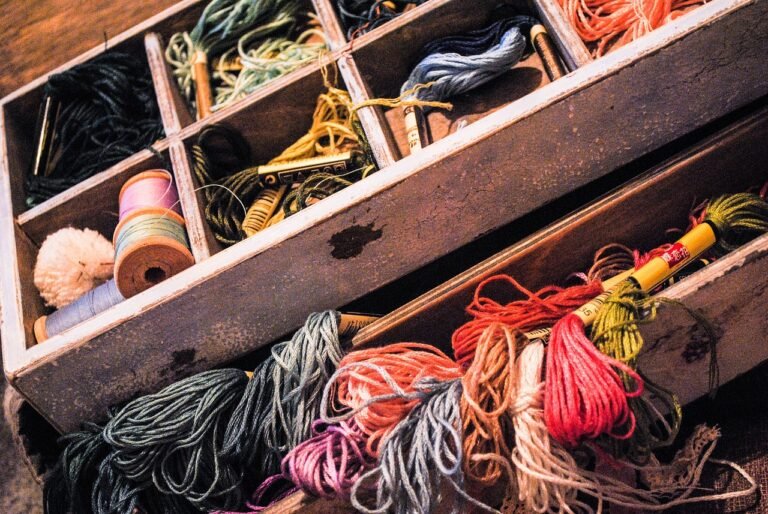
- Poor-quality thread, if you don’t know which brand to get always reach for DMC
How to fix it:
- Match needle size to your thread
- Use fewer strands of floss for delicate designs
- Choose good-quality embroidery floss
5. Fabric Choice Affects Stitch Appearance
Some fabrics make embroidery harder.
Why it happens:
- Loose-weave or stretchy fabric
- Fabric shifting while stitching
- Uneven fabric texture
How to fix it:
- Choose tightly woven fabrics like cotton or linen
- Avoid stretchy fabrics when learning
6. Lighting and Viewing Angle
Sometimes embroidery looks uneven simply because of how you’re viewing it.
Why it happens:
- Poor lighting
- Looking too closely for too long
How to fix it:
- Stitch in good, natural light
- Step back occasionally to view your work
- Take breaks to rest your eyes, fresh eyes always make things look better
Often, embroidery looks better from a distance.
7. Experience (or Lack of It)
This one is important to say out loud.
Uneven embroidery is normal, especially when you’re learning.
What helps most:
- Regular practice
- Stitching slowly and intentionally
Final Thoughts
Embroidery doesn’t need to be perfectly even to be beautiful. In fact, a little variation is part of what makes hand embroidery so great. Handmade should look handmade and not machine made. If you are obsessed with perfection, machine embroidery might be a better suited craft for you. Keep stitching and have fun.