Hand embroidery is an amazing craft to learn. Beginners often feel frustrated and let down with their results and progress mainly due to common mistakes that are very fixable. Threads tangle, stitches look uneven, and projects don’t turn out how you imagined.
Almost every beginner runs into the same problems. These common embroidery mistakes are just something nearly every one goes through
Below are the most common embroidery mistakes beginners make, along with simple, practical fixes to help your stitching.
Some links are affiliate links. I may earn a small commission at no extra cost to you
1. Using Thread That’s Too Long
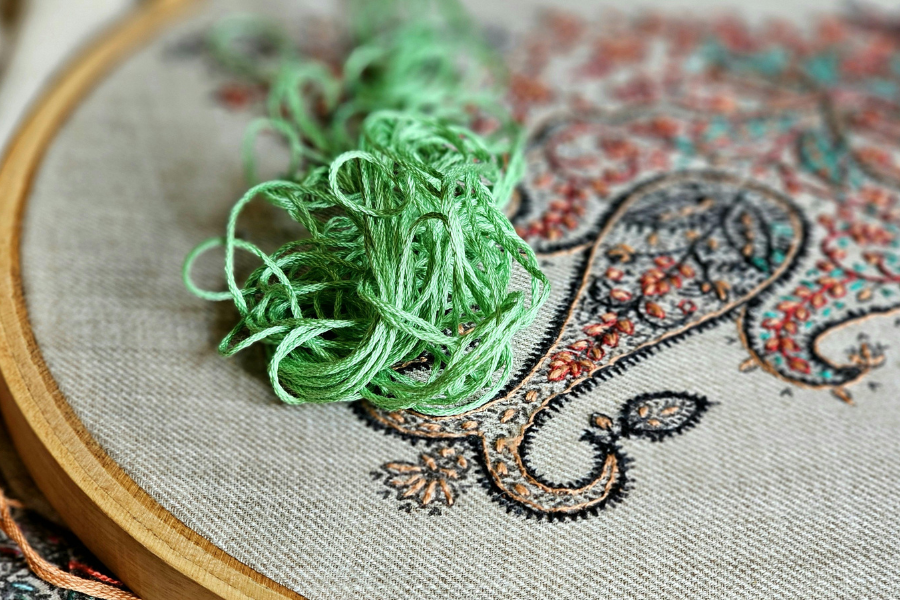
Long strands of embroidery floss may seem efficient, but they’re one of the biggest causes of tangling, knotting, and fraying.
Why it’s a problem:
- Thread twists and knots more easily
- Ends become fuzzy and weak
- Stitches look uneven
How to fix it:
Cut floss to about 40–45 cm (16–18 inches). It may feel slower, but your stitching will be smoother and far less frustrating.
2. Not Separating Embroidery Floss Strands
Standard embroidery floss is made of six individual strands, but many beginners stitch with all six at once without realizing they can be separated. Now stitching with all 6 isn’t a bad thing when you are a beginner but projects tend to look a little nicer with less strands sometimes, especially the detailed stuff.
Why it’s a problem:
- Stitches look bulky
- Fine details are harder to achieve
How to fix it:
Separate the strands and use 1–3 strands for most beginner projects, depending on the look you want.
3. Pulling Stitches Too Tight
Tight stitches might seem neat at first, but over-tightening causes fabric puckering and distorted end projects
Why it’s a problem:
- Fabric warps or wrinkles
- Stitches lose their shape
How to fix it:
Aim for snug, not tight stitches. Let the thread lie naturally without forcing it down.
4. Using the Wrong Needle
Not all needles are the same, and using the wrong type can make embroidery a whole lot harder than it needs to be.
Why it’s a problem:
- Thread frays
- Fabric is damaged
- Stitching is harder
How to fix it:
Use embroidery needles with a sharp point and a larger eye so the floss passes through smoothly.
5. Skipping the Embroidery Hoop
Some beginners skip using a hoop altogether, while others don’t tighten it properly.
Why it’s a problem:
- Fabric shifts while stitching
- Tension becomes uneven
How to fix it:
Always use a hoop and make sure the fabric is drum-tight before you start stitching. Re-tighten as needed. Once you start using a hoop, you will never go back

6. Not Preparing the Fabric First
Jumping straight into stitching without preparing the fabric can cause puckers.
Why it’s a problem:
- Fabric shrinks after stitching
- Oils from hands mark the fabric
How to fix it:
Wash and press fabric before starting, and always wash your hands, you would be surprised at how dirty fabric gets when you are holding it, especially the lighter colors.
7. Poor Pattern Transfer
Faint or messy pattern lines make stitching harder than it needs to be.
Why it’s a problem:
- Hard to follow design lines
- Uneven stitches
How to fix it:
Use a method that suits your fabric, such as water-soluble pens, heat-erase pens, or lightboxes. There are some links to my favorites, I love water-soluble pens…
8. Ignoring Thread Direction
Stitching without paying attention to thread direction can make work look messy.
Why it’s a problem:
- Stitches twist
- Surface looks uneven
How to fix it:
Let the thread untwist occasionally and guide it gently with your fingers as you stitch. Look how the pattern you are following goes
9. Expecting Perfect Results Too Soon
This might be the most common mistake of all.
Why it’s a problem:
- Leads to frustration
- Makes beginners quit too early
How to fix it:
Treat early projects as practice, and don’t forget to put your project down, take a break and come back to it, and I guarantee it will look a lot better with fresh eyes than how you remember.
10. Not Pressing Finished Embroidery
Skipping pressing can make even good stitching look unfinished.
Why it’s a problem:
- Fabric looks wrinkled
- Project feels incomplete
How to fix it:
Lightly press from the back with a cloth between the iron and stitches.
Final Thoughts
Every embroiderer has made these mistakes at some point. The key is learning how to recognize them and adjust as you go.
If you’re just starting out, you’re doing better than you think
If you want to learn and master some embroidery stitches, check these blog posts out too!