As a beginner the fabric you choose for your projects will make a big difference in your process of learning to sew. It’s important to always choose the correct fabric for the project. Choosing and sewing with a difficult fabric as a beginner will make you want to quit sewing for good!
So let’s make it simple, I made a quick go to list about fabrics that are great to sew with for beginners and fabrics that aren’t so great.
Looking for more sewing content? Check these out
The Autumn Tote Bag Beginner Sewing Tutorial
How to Make Scrunchie Without Hand Sewing
Why Sewing Projects Look Homemade and How To Make it Better
Best Beginner-Friendly Sewing Fabrics
Opt for these fabrics for your beginner sewing projects.
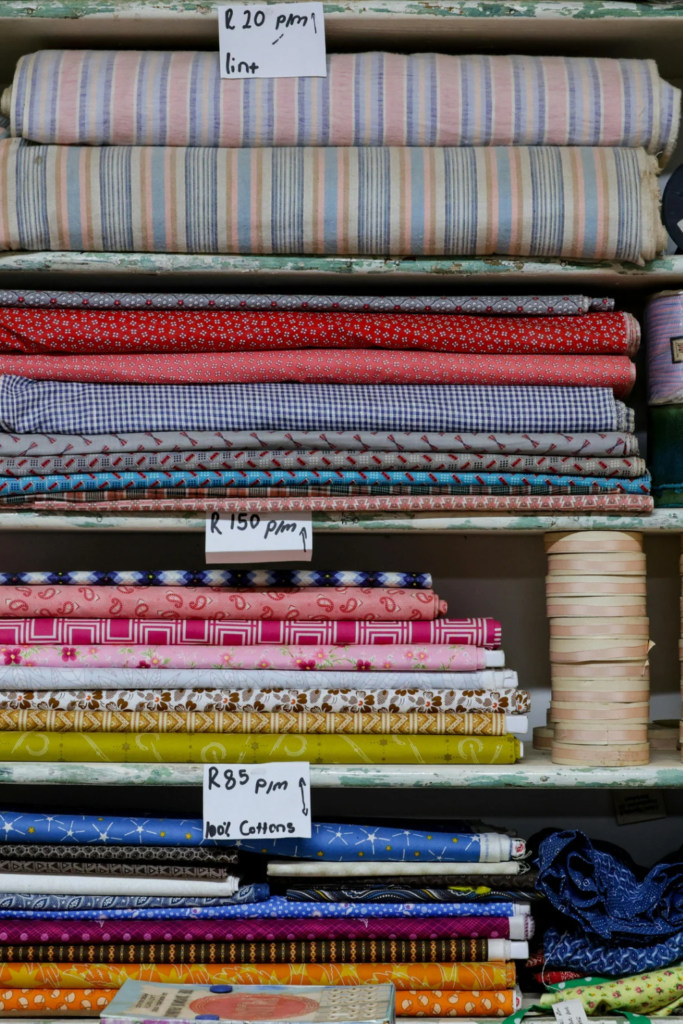
1. Plain Cotton
If you’re just starting out, plain cotton is great!
It’s:
- Stable
- Easy to cut
- Easy to press
- Doesn’t stretch
It is litterally everything a beginner wants in a fabric. And so many beginner projects can use plain basic cotton fabrics.
Such as tote bags, pillow covers, simple skirts, and beginner dresses.
2. Cotton Poplin
Poplin is similar to basic plain quilting cotton but slightly lighter and smoother, a little more tightly weaved. It’s lovely for beginner projects because it drapes just a little better making it more suitable for clothing.
Great for:
- Simple tops
- Pajamas
- skirts
- Dresses
- Blouses
It’s easy to press and easy to sew on, if you are a beginner and want to sew a clothing item, reach for cotton poplin first.
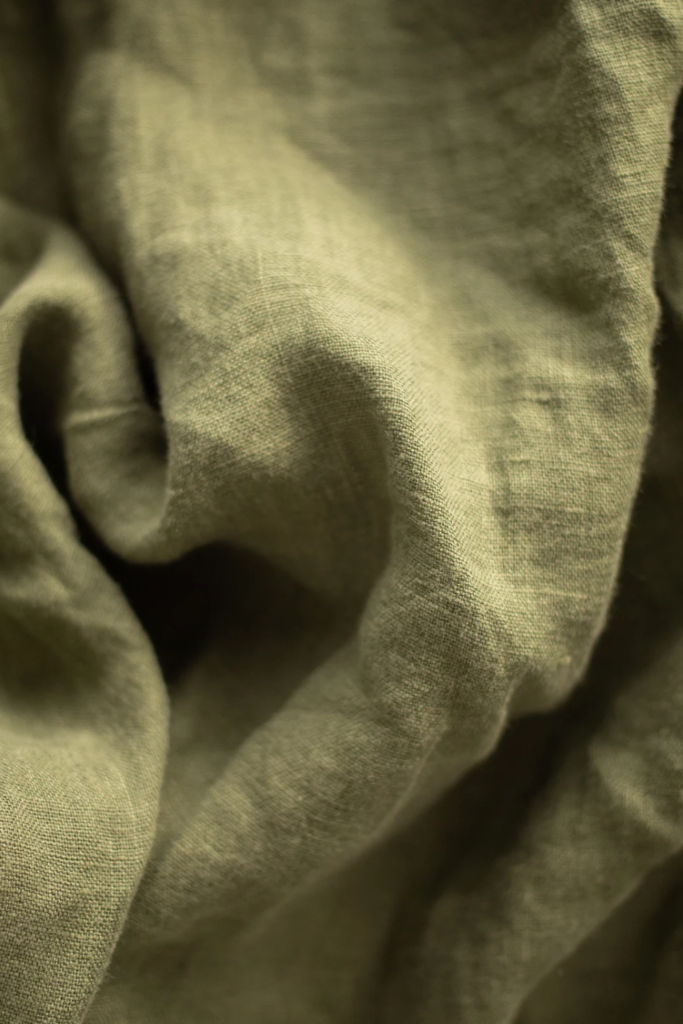
3. Linen (Medium Weight)
Now, linen does wrinkle… a lot, but it’s super easy to sew on.
While it’s easy to iron, easy to sew, can be used in a variety of sewing projects (dresses, cushion covers, etc) , its downfall is, it can be a little pricey for beginner fabric.
4. Canvas (for Bags)
If you want to make tote bags canvas is the way to go.
It’s thick, stable, and doesn’t slip or move around when sewing. Just make sure your needle is sharp and strong enough for heavier fabric, and needles snap all the time! So don’t be concerned if it happens to you, they are cheap to replace and easy to install into most sewing machines.
Fabrics Beginners Should Avoid
These fabrics even give fully experienced people a headache.
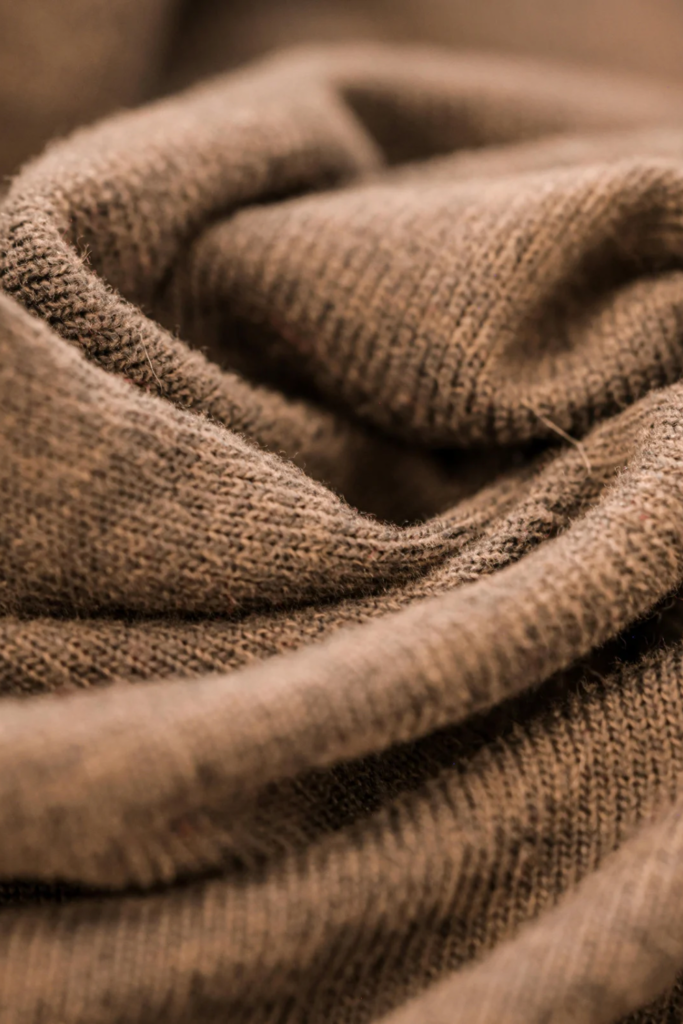
1. Stretchy Knit Fabrics
Jersey and other knit fabrics stretch while sewing, even if you think it’s not stretched there is a high chance it has and the result will have wavy seams, and uneven hems.
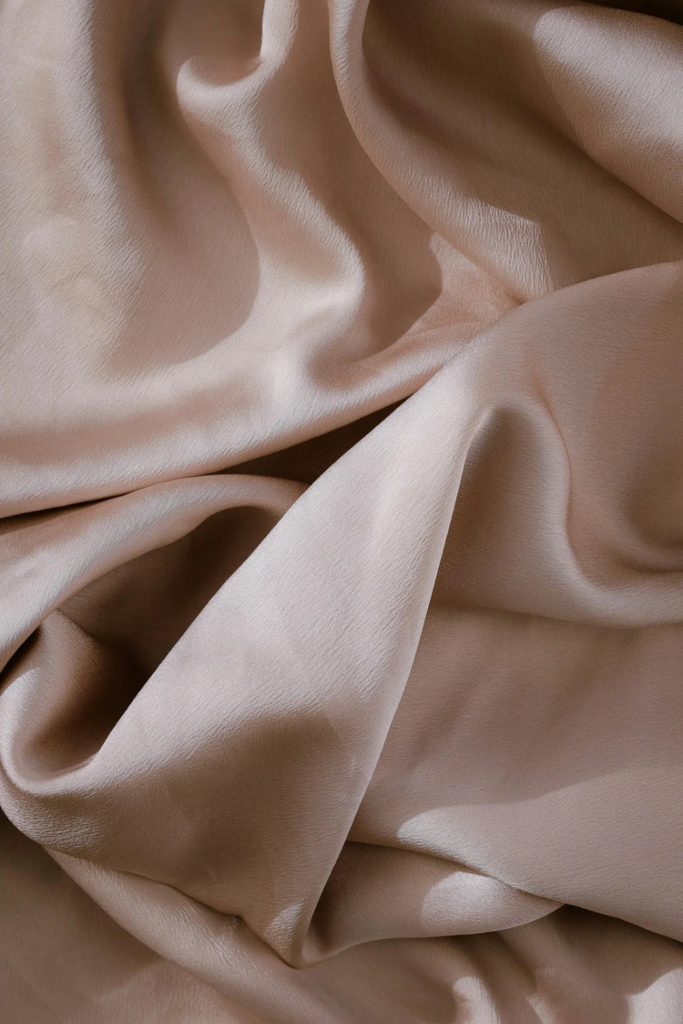
2. Slippery Fabrics (Satin, Silk, Chiffon)
These fabrics slip and slide around everywhere, even if you pin it perfectly and feed it through slowly, it will still probably slip.
They shift while cutting.
They slip while pinning.
They move while sewing.
Not beginner-friendly at all.
3. Very Thick Fabrics (Denim, Upholstery Fabric)
Heavy fabrics can be a little hard for a beginner sewing machine to navigate, it can cause an over heated machine, snapped needles and jams.
Not to mention for a beginner the seams and hems on heavy thick fabrics are so fat, it’s hard to sew. Medium denims are okay! But make sure you are using a the right type of needle in your machine.
4. Sheer or Very Thin Fabrics
Lightweight voile, chiffon, and other sheer fabrics are delicate. And because they are so delicate, they show every pucker, pull and mistake you make. It’s really not ideal for beginners for this reason.
Final Thoughts
Sewing should be enjoyable if you are a beginner. Don’t scare yourself by using the wrong fabric! As a beginner stick to the cottons and take it slow, work your way up to the more difficult fabrics. Cotton is so versatile and so many beginner projects use it.