Sewing projects often look like they shouldn’t take long at all, but that’s just not the truth. Even a pattern that appears simple can end up taking half a day or longer, especially as a beginner.
This guide breaks down how long sewing projects really take, and what exactly impacts sewing time.
Why Sewing Takes Longer Than You Expect
Sewing isn’t just stitching fabric together. Each project has multiple stages.
Common time-consuming steps include:
- Choosing and preparing fabric (ironing etc)
- Cutting accurately
- Pinning or clipping pieces
- Adjusting machine settings
- Fixing mistakes and seam ripping
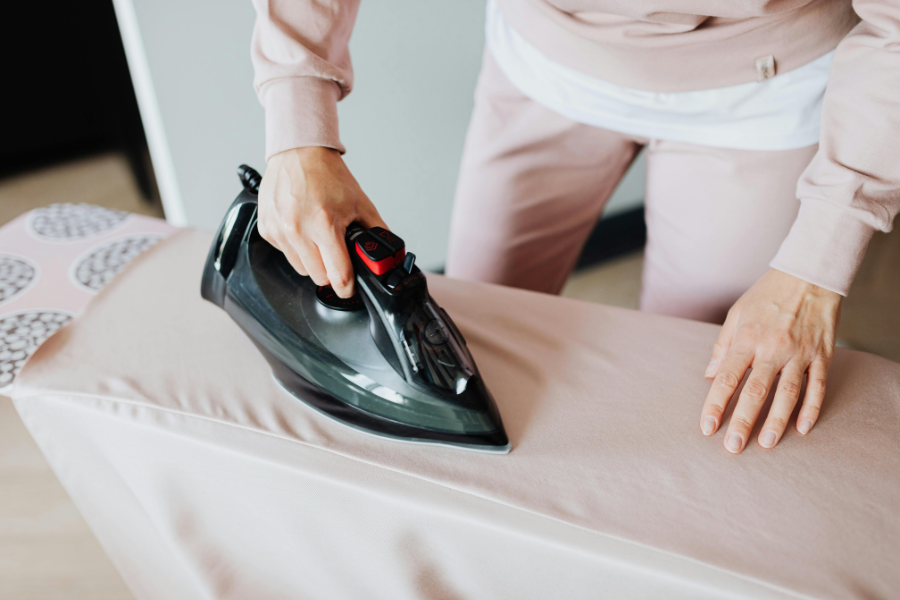
- Pressing seams
Even simple projects add up quickly when all these steps are included.
Beginner Sewing Projects: Realistic Time Estimates
These time frames assume you’re still learning and working at a relaxed pace.
Simple Projects (1–2 Hours)
These are often recommended for beginners, but they still take time.
Examples include:
- Tote bags How To Make A Ruffle Tote Bag | Instructions
- Pillowcases How to make an Envelope Pillowcase
- Fabric bookmarks
- Simple zipper pouches
- scrunchies ( can take less time )
What takes time:
- Measuring and cutting
- Learning new techniques
- Pressing seams carefully
Intermediate Beginner Projects (3–5 Hours)
These projects involve more steps and require focus.
Examples include:
- Aprons
- Skirts with elastic waistbands
- Simple pyjama bottoms
- Cushion covers with closure techniques How to Sew an Envelope Pillow Cover with Velcro (No Zipper)
Expect time spent on:
- Reading instructions carefully
- Making small fit adjustments
- Sewing multiple seams
Clothing Projects (5–10+ Hours)
Clothing always takes longer — especially at the beginning.
Examples include:
- Dresses
- Shirts
- Trousers
- Jackets
Why clothing takes time:
- Fitting and adjustments
- Multiple pattern pieces
- Pressing at every stage
- Seam finishes
It’s very normal for a beginner clothing project to take several days.
What Slows Beginners Down (And Why That’s Okay)
Several factors affect how long a sewing project takes, especially when you’re learning.
1. Reading and Re-Reading Instructions
Patterns often use unfamiliar terms, and stopping to understand them is necessary
2. Precision Over Speed
Beginners tend to work carefully, which is a good thing. Accuracy now leads to better results later.
3. Fixing Mistakes
Seam ripping is part of sewing, to undo mistakes
4. Pressing
Pressing seams properly improves results but adds time
How to Plan Sewing Time Without Stress
If sewing is meant to be enjoyable, realistic planning helps.
Try these tips:
- Add extra time to any estimate you see( if it says 1 hour, make that 2 )
- Break projects into stages across multiple days
- Stop before you feel frustrated
- Accept that learning takes time
Sewing doesn’t need to be finished in one sitting.
How Long Sewing Projects Take as You Improve
The good news is that sewing does get faster.
With practice:
- Cutting becomes quicker
- Instructions make more sense
- Machine setup feels natural
- Mistakes happen less often
Why Slow Sewing Is a Good Thing
Slow sewing allows you to:
- Learn proper techniques
- Create better-quality projects
- Enjoy the process
Final Thoughts
If your sewing projects take longer than expected, you’re doing it right. Set realistic time and work slowly, happy stitching and keep going