Best Fabrics for Beginners( And What to Avoid)
Choosing the right fabric when you are starting out is really going to decide how your experience with sewing goes, specially if you’re just starting out. Many beginners struggle not because they’re bad at sewing, but because they accidentally choose fabrics that are difficult to work with.
This guide will walk you through the best fabrics for beginners learning to sew plus the ones you’re better off avoiding (for now).
Here are some simple and sweet beginner sewing tutorials
- How to Sew an Envelope Pillow Cover with Velcro (No Zipper)
- How to Make Scrunchie Without Hand Sewing
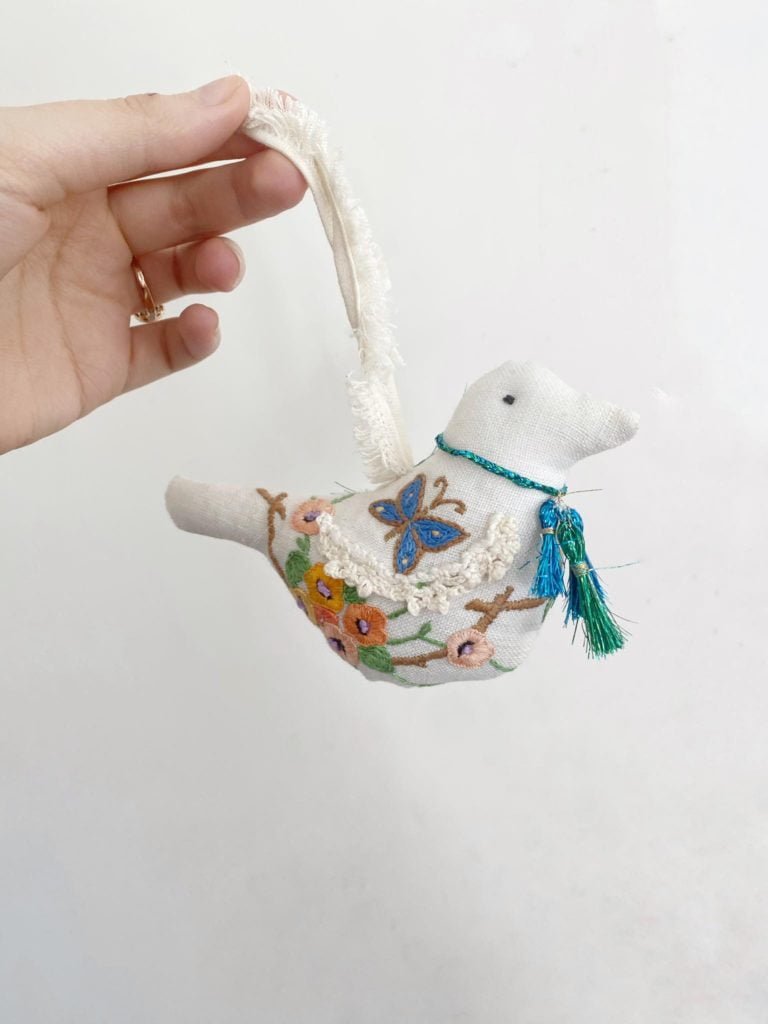
- How to Make a Fabric Butterfly | Free Pattern | Small Sewing Project for Beginners
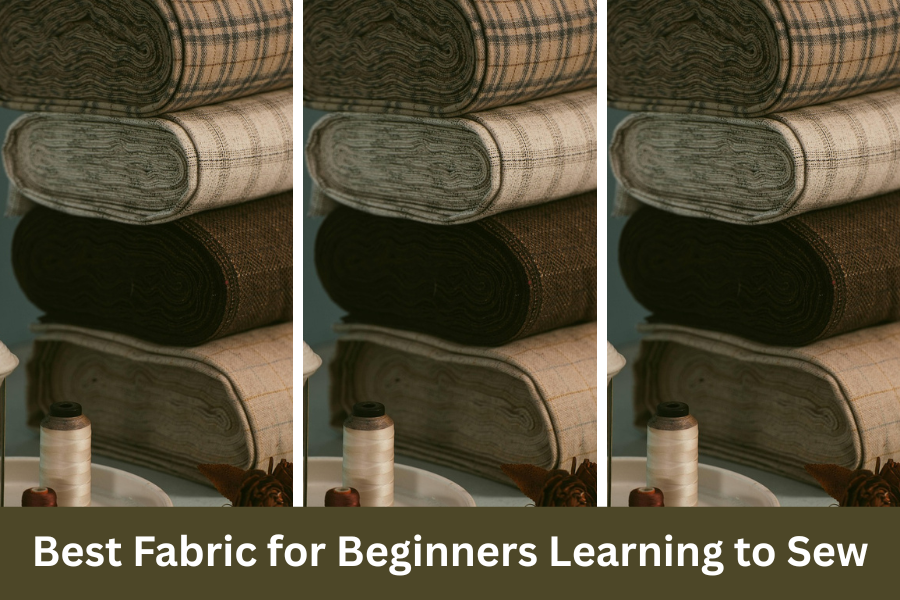
Why Fabric Choice Matters for Beginners
Some fabrics are easy to control. Others stretch, slip, fray, or shift under the needle, to control those types of fabrics takes sewing experience beginners don’t quite have yet.
Starting with beginner-friendly fabrics helps you:
- Sew straighter seams
- Avoid puckering and stretching
- Build confidence faster
- Actually enjoy learning to sew
Best Fabrics for Beginner Sewists
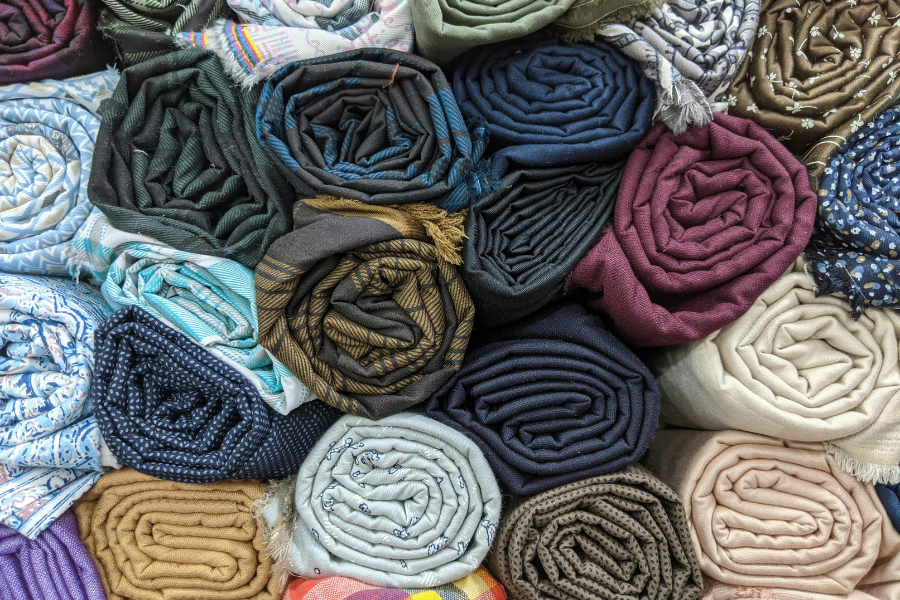
Cotton (Quilting Cotton)
This is the number one fabric for beginners.
Why it’s great:
- Doesn’t stretch
- Easy to cut and sew
- Widely available
- Affordable
Perfect for:
- Tote bags
- Pillowcases
- Simple garments
- Quilting projects
Cotton Lawn
Cotton lawn is lighter than quilting cotton but still easy to handle.
Why beginners like it:
- Soft and breathable
- Smooth to sew
- Less stiff than quilting cotton
Best for:
- Lightweight clothing
- Summer tops
- Simple dresses
Canvas (Lightweight)
Lightweight canvas is sturdy without being too thick.
Why it works:
- Holds its shape well
- Forgiving for mistakes
- Great for structured projects
Best for:
- Tote bags
- Aprons
- Home décor items
Felt
Felt doesn’t fray, making it ideal for absolute beginners.
Why beginners love felt:
- No hemming required
- Easy to cut
- Budget-friendly
Best for:
- Small crafts
- Decorations
- Practice projects
Fabrics Beginners Should Avoid (For Now)
Stretch Fabrics (Jersey, Lycra)
Stretch fabrics move under the needle and require special techniques.
Why they’re tricky:
- Stretch while sewing
- Curl at the edges
- Require special needles
Slippery Fabrics (Silk, Satin, Chiffon)
These fabrics shift easily and are hard to control.
Common issues:
- Sliding while cutting
- Uneven seams
- Fraying edges
Heavy Fabrics (Denim, Thick Upholstery Fabric)
Thick fabrics can be a little tough for beginners machines.
Problems include:
- Broken needles
- Skipped stitches
- Difficulty sewing layers
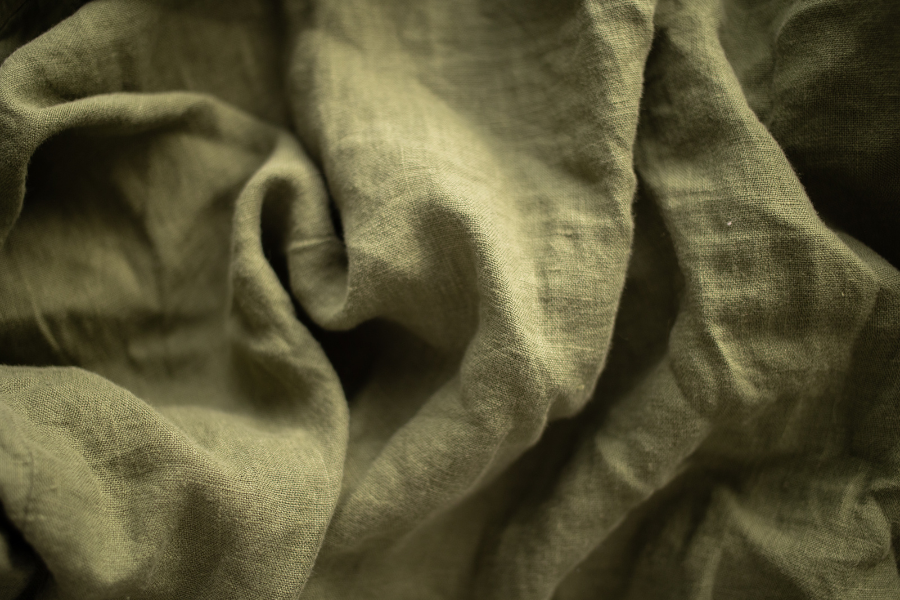
Loosely Woven Fabrics (Linen, Gauze)
While beautiful, these fabrics fray and shift easily.
Better saved for when you have more experience.
Beginner Fabric Shopping Tips
- Always read the fabric label
- Feel the fabric, stiff isn’t always bad especially for pillows and totes;
- Buy extra for mistakes
- Start simple
Final Thoughts
Learning to sew is much easier when you choose the right fabric. Stick with stable, non-stretchy fabrics at first, and save the trickier ones for later.