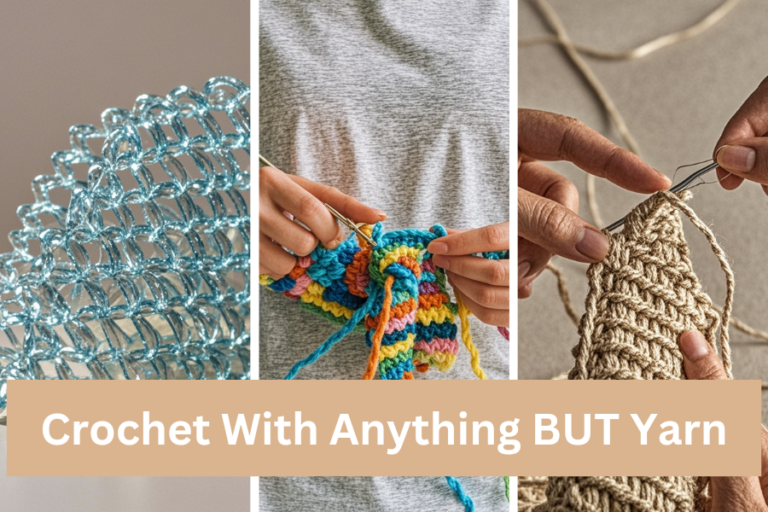
How to Choose the Right Craft for your Skill Level
When you are creative and excited you want to try everything, embroidery, sewing, crochet, felting, clay, painting, DIY and more. But choosing a craft that is above your current skill level will end in disappoint and failure and eventual it will waste time and money.
In this blog post I cover how to choose a craft that matches your current skills and energy. Lets get into it.
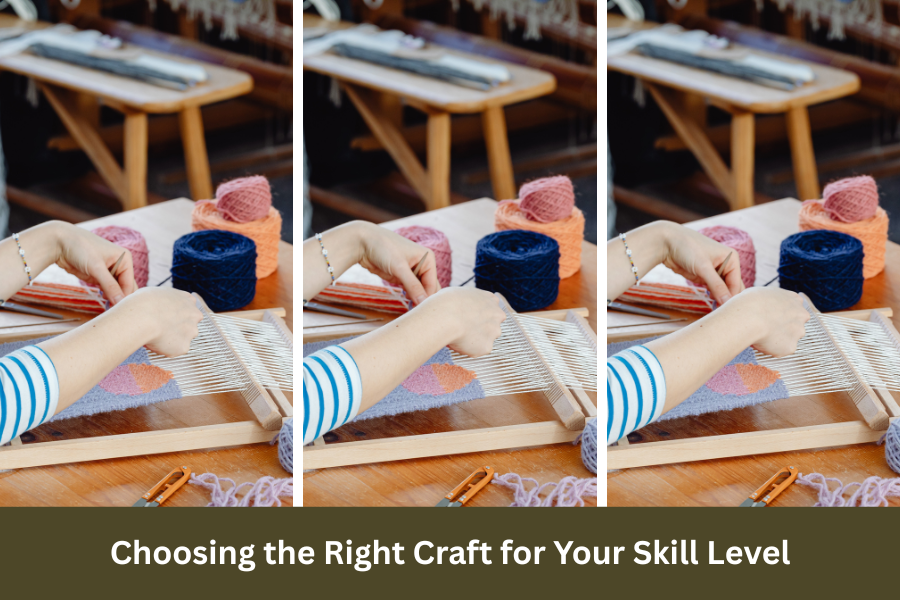
Why Skill Level Matters More Than Talent
Crafting isn’t about natural talent. It’s about:
- experience with tools
- Comfort with techniques
- Understanding materials
- Repetition
When a project is too advanced, it doesn’t teach you faster, it makes thing harder and nearly always results in failure
Matching your craft to your skill level helps you:
- Finish projects
- Enjoy the process
- Build confidence
- Stay consistent
Step 1: Be Honest About Your Current Skill Level
Skill level isn’t fixed, it changes all the time. Ask yourself:
- Have I tried this craft before?
- Do I recognize the tools and do I understand the terms?
- Can I follow basic instructions without easily?
- Do I feel excited or intimidated by this project?
If a project feels overwhelming before you start, it’s probably not the right level yet.
Beginner-Friendly Crafts (More Forgiving)
If you’re new to crafting…
Good beginner options include:
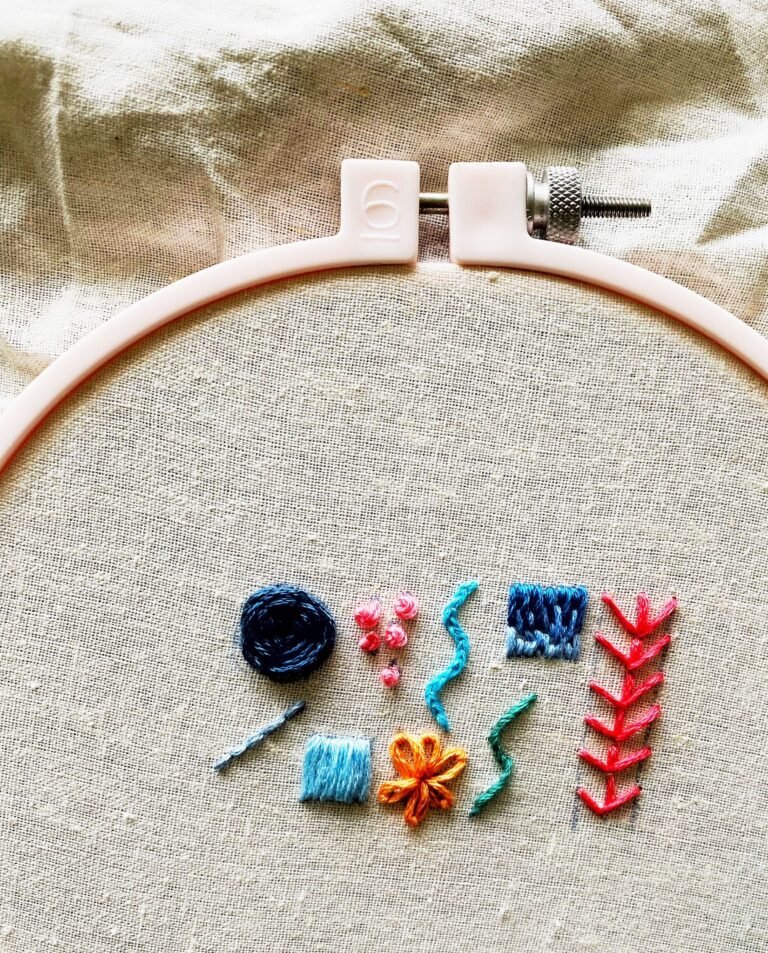
- Hand embroidery (simple stitches) 5 Easy Embroidery Flowers |For Beginners Hand Embroidery
- Crochet with basic stitches 25 Free Crochet Patterns for Beginners
- Needle felting (small shapes) Easy Needle Felting Projects for Beginners (That Actually Work)
- Paper crafts
- Air-dry clay
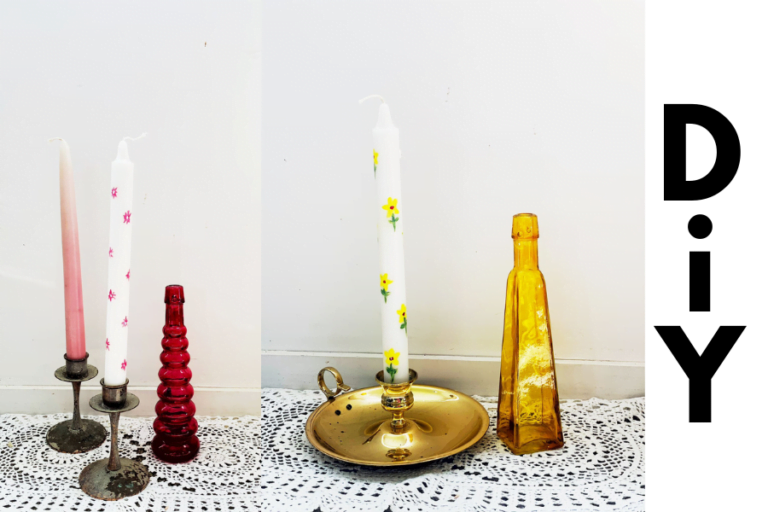
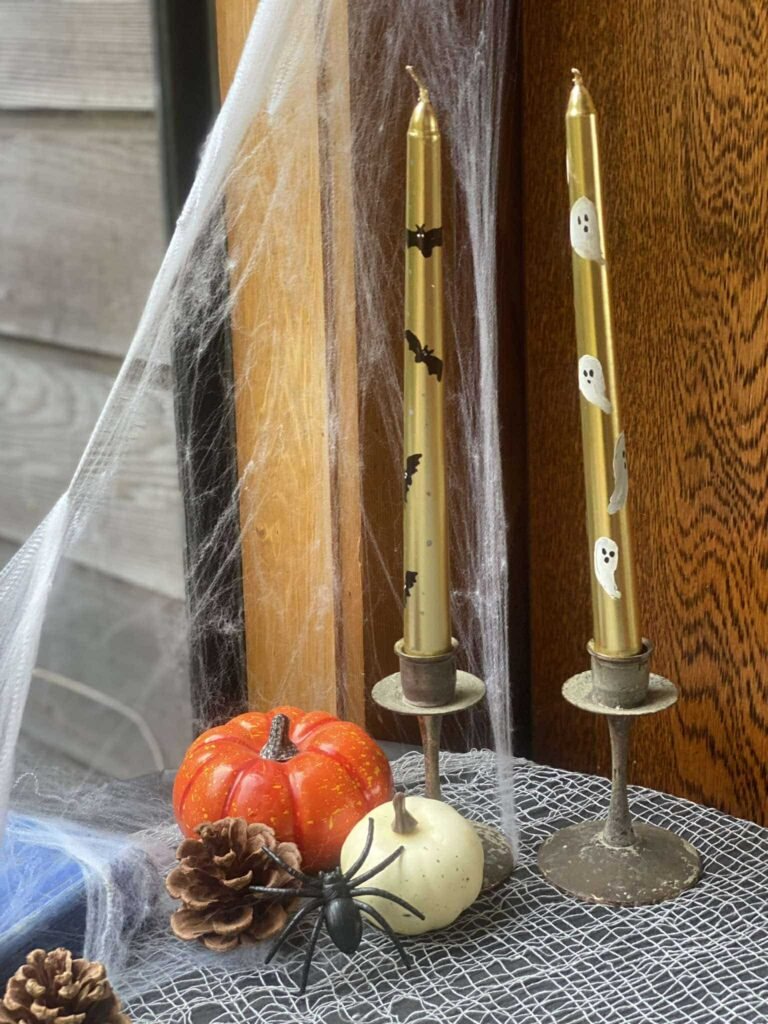
- Simple DIY home decor The Ultimate Guide to Easy DIY Crafts at Home
These crafts:
- Don’t require expensive equipment
- Allow you to stop and start easily
- Still look good even if imperfect
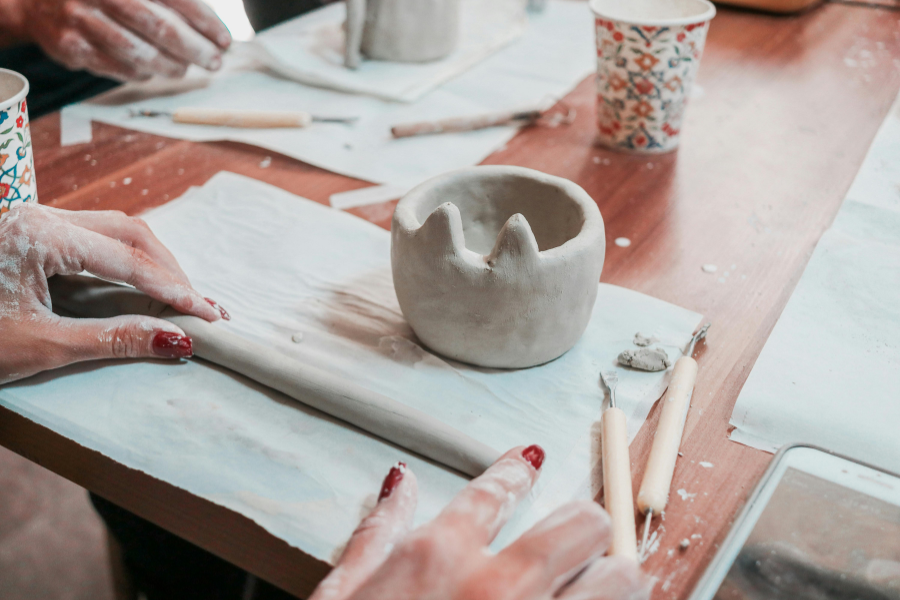
Intermediate Crafts (Some Experience Required)
Once you have completed a basic craft or two, give these a whirl
Examples include:
- Sewing simple garments
- Crochet patterns with shaping
- Embroidery with filling stitches
- Polymer clay projects
- Jewellery making
These require:
- More patience
- Reading patterns or instructions
- Better tension or control
Advanced Crafts
Some crafts are more demanding and better saved for when you are a pro
These often include:
- Complex sewing patterns
- Large embroidery pieces
- Detailed needle felting sculptures
- Intricate crochet garments
- Technical DIY builds
Step 2: Match the Craft to Your Energy Level
Skill level isn’t just about ability
Ask yourself:
- Do I want something relaxing or challenging?
- Do I have a short amount of time or time for long sessions?
- Do I want visible progress quickly?
Low-energy days suit:
- Embroidery
- Simple crochet
- Small craft projects
High-energy days suit:
- Sewing
- Clay work
- DIY builds
Choosing based on energy prevents burnout.
Step 3: Choose One Craft at a Time
Don’t try too many crafts at once
Instead:
- Focus on one main craft
- Treat others as occasional hobbies
Progress feels faster when you focus on one craft
Step 4: Pick Projects That Allow Mistakes
The best projects for your skill level are forgiving.
Look for projects that:
- Don’t rely on perfect measurements
- Use simple shapes
- Don’t require expensive materials
Mistakes are part of learning
How to Know You’re Ready to Level Up
You might be ready for more advanced projects when:
- Basic techniques feel automatic
- You understand common mistakes
- You finish projects regularly
- You don’t feel challenged
Final Thoughts
Choosing the right craft for your skills and knowledge will really change your crafting journey. Harder projects with lesser skills almost results in failure.