Sewing Mistakes Beginners Make and How to Avoid Them
Every beginner at sewing makes mistakes, infact people make mistakes learning anything, its just part of it. So we all make mistakes, lets learn why they happen and how to avoid them. Common sewing mistakes often come from small fixable habits that beginners havent learnt yet
This post covers the most common sewing mistakes beginners make, why they happen, and what you can do to avoid them
If you are new to sewing and want some simple sewing tutorial, try these out
- How to Make Scrunchie Without Hand Sewing
- How to Sew an Envelope Pillow Cover with Velcro (No Zipper)
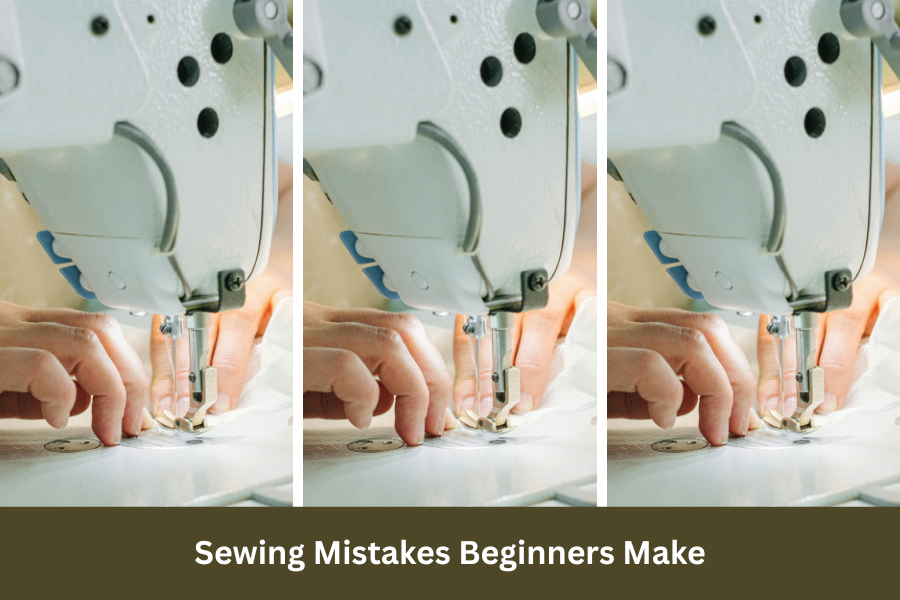
1. Skipping Fabric Preparation
One of the biggest beginner mistakes happens before you even start sewing.
Why it’s a problem:
- Fabric can shrink after sewing
- Creases and wrinkles affect cutting accuracy
- Fabric can twist
How to avoid it:
- Pre-wash fabric
- Dry it the same way you’ll wash the finished item
- Press fabric flat before cutting
2. Not Reading the Pattern First
Many beginners jump straight into cutting without reading instructions first
Why it causes issues:
- Steps are missed
- Pieces are cut incorrectly
How to avoid it:
- Read the pattern fully before starting
- Highlight parts you are unsure about
- Watch tutorial videos if needed
3. Using the Wrong Fabric for the Project
Fabric choice matters more than beginners know
Common mistakes include:
- Using stretchy fabric for non-stretch patterns
- Choosing slippery or delicate fabric too soon
- Ignoring fabric recommendations
How to avoid it:
- Follow pattern fabric suggestions
- Start with cotton or cotton blends
- Save tricky fabrics for later on
4. Not Changing the Needle
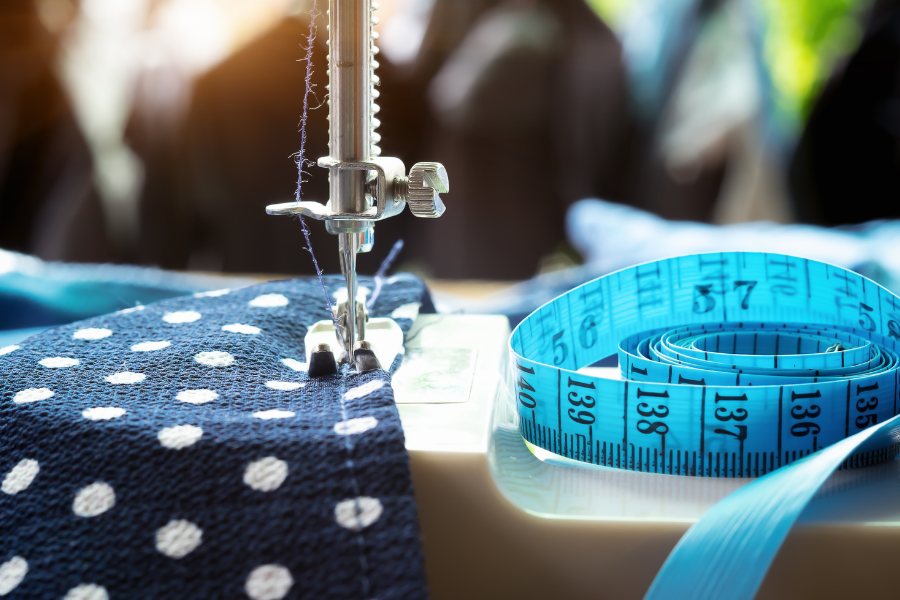
A dull or incorrect needle can ruin fabric
Signs your needle is the problem:
- Skipped stitches
- Fabric pulling or snagging
- Popping or clicking sounds
How to avoid it:
- Change needles regularly
- Match needle type to fabric
- Keep spare needles on hand, I have a whole heap
Needles are inexpensive, so don’t sweat it
5. Pulling the Fabric While Sewing
Beginners often try to “help” the machine by pulling the fabric through the machine rather than letting it go through naturally
Why this causes trouble:
- Stretched seams
- Uneven stitches
- Wavy edges
How to avoid it:
- Let the feed dogs move the fabric
- Guide gently, don’t pull
- Slow down to control it better
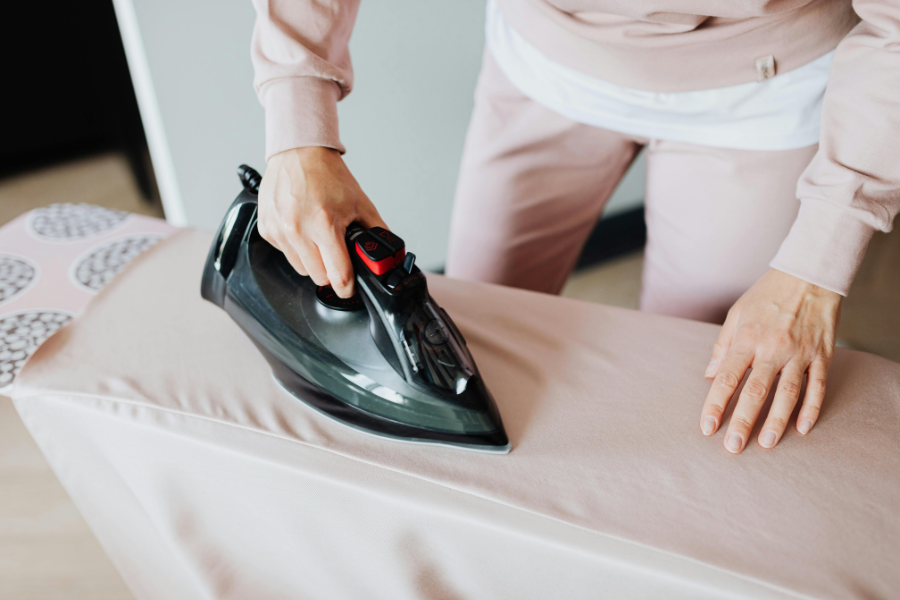
6. Skipping Pressing (I love my Iron)
Pressing is part of sewing
Why pressing matters:
- Seams lie flat
- Accuracy improves
- Finished projects looks better
How to avoid this mistake:
- Press after every major seam
- Use the correct heat setting
- Don’t rush this step
7. Sewing Too Fast
Why speed causes mistakes:
- Less accuracy
- More seam ripping( or frogging )
- Increased frustration
How to avoid it:
- Sew slowly
- Use the speed control if available
- Focus on consistency, not pace
8. Ignoring Seam Allowances
Seam allowances affect fit and structure.
Common beginner issues:
- Sewing too close or too far from the edge
- Inconsistent seam widths
How to avoid it:
- Mark seam allowances if needed
- Use a seam guide
- Practice straight seams
9. Starting with Too Complex Projects
Why this causes frustration:
- Too many techniques at once
- High likelihood of mistakes
How to avoid it:
- Start with simple projects
- Build skills slowly
10. Expecting Perfection Too Soon
This might be the biggest mistake of all.
Why perfection sucks
- Creates pressure to be perfect
- Leads to unfinished projects
- Removes the joy
How to avoid it:
- Accept it will be hard
- Keep early projects as practice
- Focus on progress, not perfection
Final Thoughts
Every makes mistakes, beginners are more prone to common sewing mistakes than experts but once upon a time those experts made the same mistakes.
Remember sewing is a skill and the goal isn’t perfection — it’s progress.