Why sewing projects look homemade? Have you ever finished a sewing project only to step back and look and think, “Why does this look homemade?” You followed the pattern to the best of your ability and yet the final result doesn’t look like the finished pattern picture
This has absolutely nothing to do with talent of having a fancy machine, its probably due to simple changes you can make while sewing.
In this post, we’ll break down why sewing projects look homemade and exactly what you can do to improve the finish of your work.
Simple Sewing Tutorials for Beginners:
- The Autumn Tote Bag Beginner Sewing Tutorial
- How to Make Scrunchie Without Hand Sewing
- How To Sew A Twisted Headband Sewing Pattern | Free | For Beginners
Some links are affiliate links. I may earn a small commission at no extra cost to you.
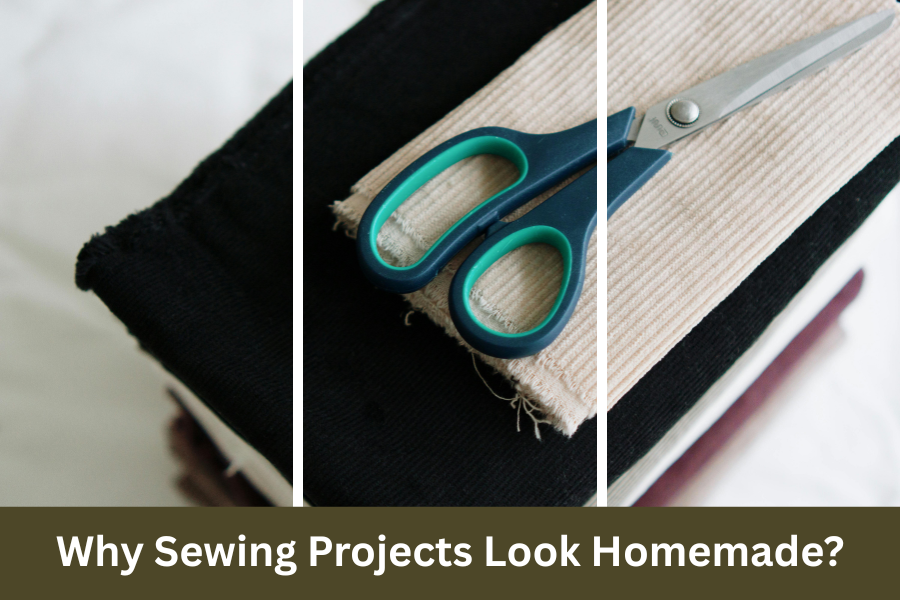
Firstly “Homemade” Isn’t a Bad Thing
Before we start, I just want to say that handmade and homemade are not failures. Homemade and handmade things are unique and look great always.
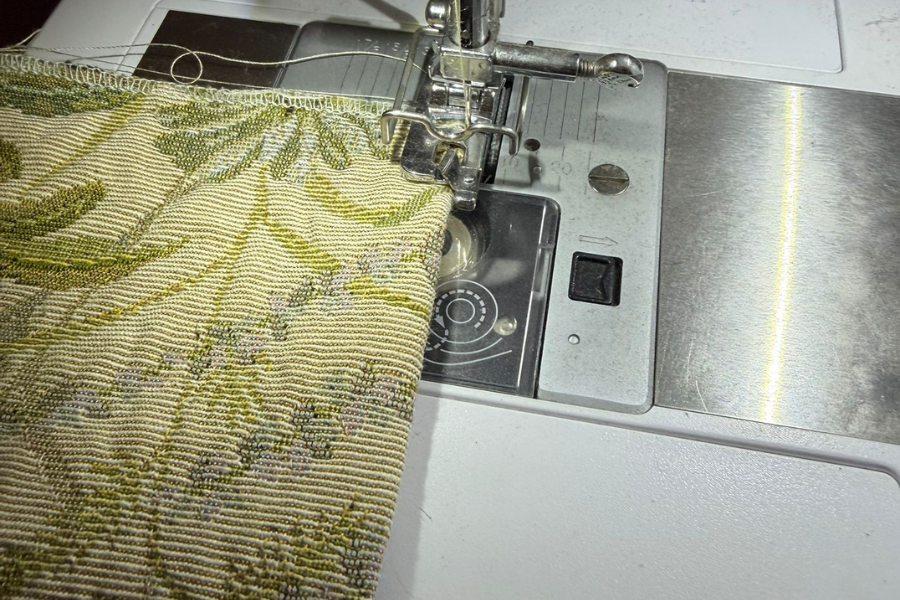
Uneven Seam Allowances
One of the biggest reasons sewing projects look homemade is inconsistent seam allowances…. I had to learn to slow all the way down and perfect my seam allowances. Mine were constantly crooked and it showed.
Why this happens
- Not following the seam allowance specified in the pattern
- Letting the fabric drift while sewing…. yup that was me for sure.
- Relying on the presser foot edge instead of a guide
How to fix it
- Mark your seam allowance on your machine with tape
- Sew slowly and steadily
- Practice keeping fabric aligned rather than pulling it through machine
Skipping Ironing
Ironing is often skipped by beginners, when really it shouldn’t. If you hate ironing, invest in a mini craft iron, they are more portable and easier to maneuver
Why pressing matters
- Sets stitches into the fabric
- Sharpens edges
- Makes seams lie flat
Common mistake
Ironing only at the end of the project
How to fix it
- Press after every major seam
- Press seams open or as directed
- Use steam when appropriate
Pressing as you sew instantly makes a piece more finsihed
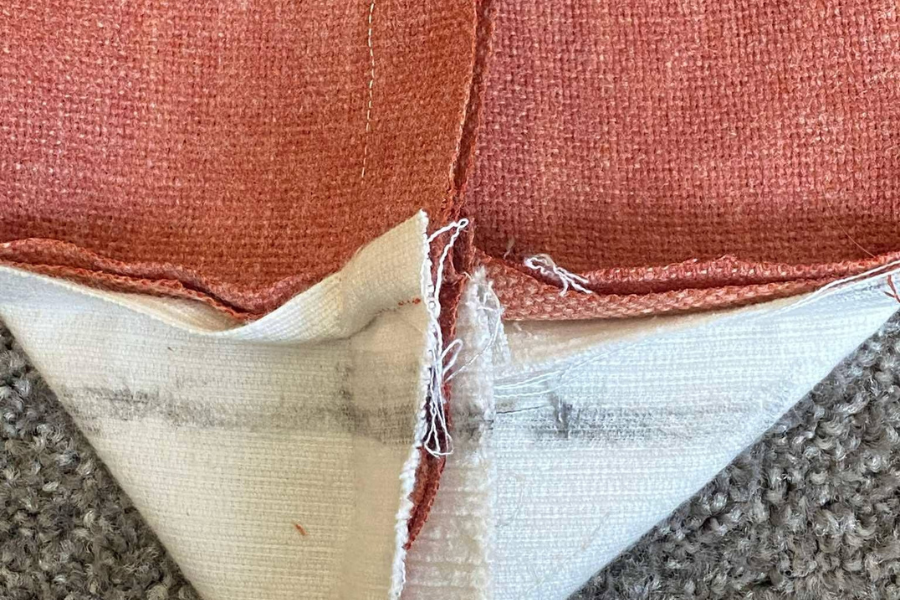
Using the Wrong Fabric for the Project
Fabric plays a huge part in how your project turns out… You wouldn’t use satin for a tote bag, would you use canvas for a shirt?
Common beginner issues
- Fabric too stiff or too flimsy
- Stretch fabric used for non-stretch patterns
- Cheap fabric that wrinkles easily
How to fix it
- Follow pattern fabric recommendations
- Start with stable fabrics like cotton or linen blends
- Avoid slippery or stretchy fabrics until confident
The right fabric does half the work for you. Here is a quick guide I made to help
Poor Cutting Accuracy
Even perfect stitching can’t help if your cutting is messy. Cutting pieces is my least favorite part of sewing and I really had to slow myself down and learn to cut pieces out properly. A good pair of sewing scissors help. I use these ones
Why cutting matters
- Pieces that don’t match won’t sew evenly
How to fix it
- Use sharp fabric scissors or a rotary cutter
- Cut on a flat surface
- Take your time, slow down
Not Finishing Seams Properly
Raw edges immediately signal “homemade.”
Common beginner mistakes
- Leaving seams raw
- Using wide, bulky zigzag stitches
Better options
- Zigzag close to the edge
- French seams for lightweight fabrics, but has a learning curve
Ignoring Thread Choice and Colour
Thread is more visible than you think. Matching the thread and fabric is key
Why it affects appearance
- High-contrast thread highlights imperfections
- Cheap thread causes uneven stitches and fray easily
How to fix it
- Match thread colour closely to fabric
- Use high-quality thread
Inconsistent Stitch Length and Tension
Uneven stitches instantly give away a beginner project.
Causes
- Sewing too fast
- Incorrect machine tension
How to fix it
- Slow down
- Test stitches on scrap fabric before every project always
- Adjust tension before starting
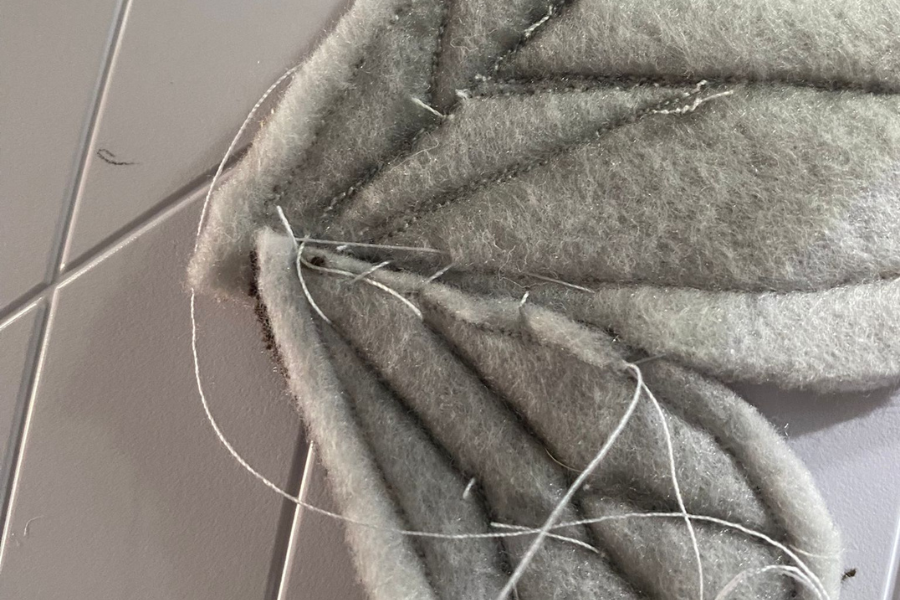
Skipping Small Finishing Details
Commonly skipped steps:
- Clipping corners (helps make sharp corners)
- Trimming seam allowances (end result will be less bulky)
- Topstitching where appropriate (flattens fabric)
These steps may feel unnecessary and sometimes silly but from a distance they look nice
Comparing Beginner Work to Professional Sewing
A beginner at sewing wont achieve the same results as a professional and that’s okay!
Store-bought garments:
- Are made with industrial machines
- Are sewn by specialists
- Often use techniques not taught to beginners
Final Thoughts
Sewing projects don’t look homemade because you’re bad at sewing, they look homemade because they are but htey can look a little less homemade by adjusting how you sew slightly.
Focus on:
- Accuracy over speed
- Pressing as you go
- Choosing the right fabric
- Finishing details