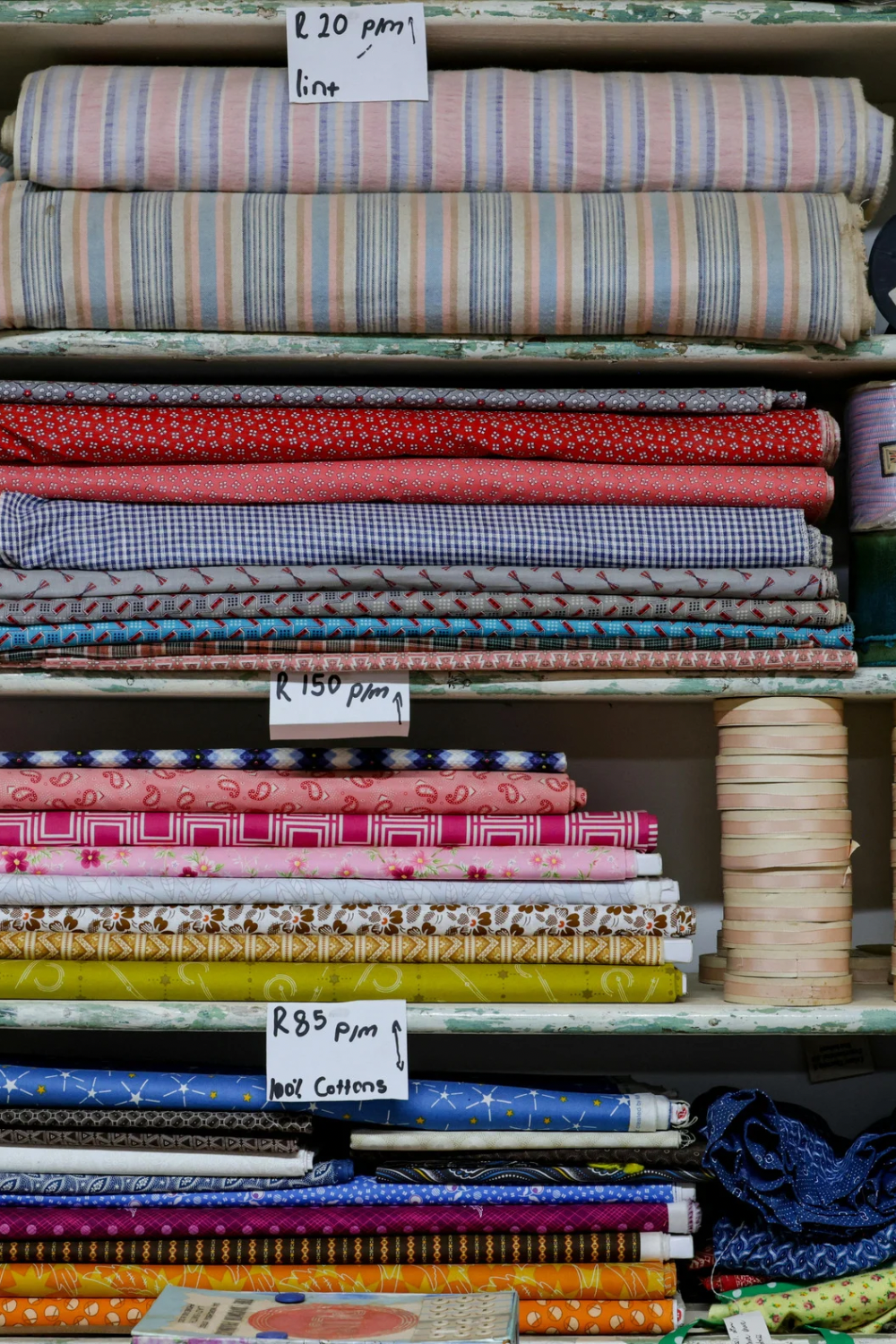
Best Fabric for Hand Embroidery (Beginner-Friendly Guide)
Choosing the right fabric for hand embroidery can make the difference in your work. If you’ve ever struggled with puckering, uneven stitches, or fabric that just won’t behave and keeps slipping in the hoop, it’s most likely due to the fabric and not you.
In this guide, I will tell you the best fabrics for hand embroidery, and what to avoid.
If you are looking for other hand embroidery content, check these embroidery posts made just for beginners learning hand embroidery:
Beginner’s Hand Embroidery Supply List
5 Easy Embroidery Flowers |For Beginners Hand Embroidery
The Best Embroidery Stitch for Lettering
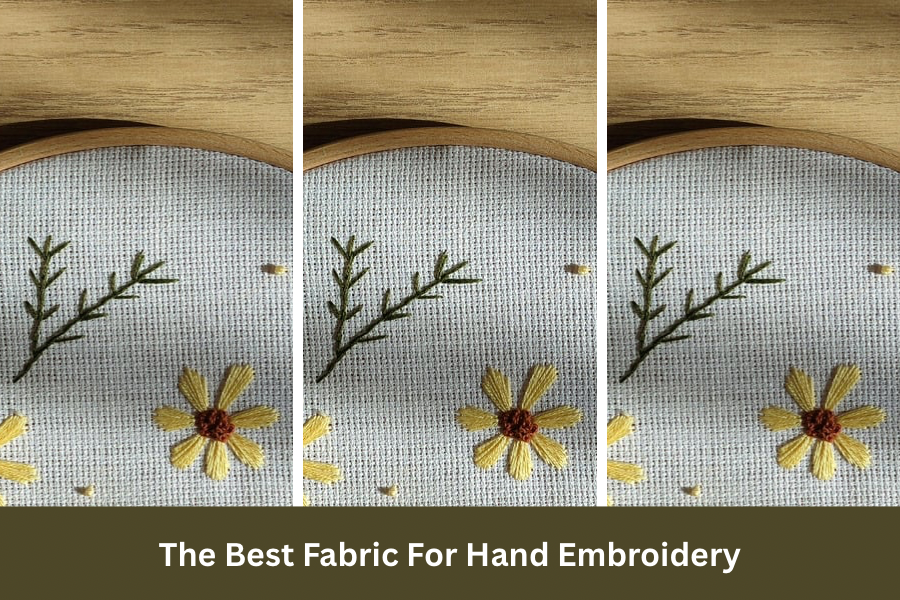
This Post Contains Affiliate Links
What Makes a Fabric Good for Hand Embroidery
Before we get into different types of fabrics, it’s good to know what you’re actually looking for.
A good embroidery fabric should:
- Hold tension well in an embroidery hoop
- Have a tight, even weave
- Be strong enough to handle repeated stitching
- Allow the needle to pass through easily
- Show stitches clearly and neatly
- Beginners should use stable, non-stretch fabrics.
1. Cotton Fabric (Best Overall Choice)
Cotton is easily the best fabric for hand embroidery, especially for beginners.
Why cotton works so well for embroidery:
- Easy to stitch on
- Holds hoop tension nicely
- Easy to find and affordable
If you’re unsure what to use as a beginner, reach for cotton. It’s easy to work with.
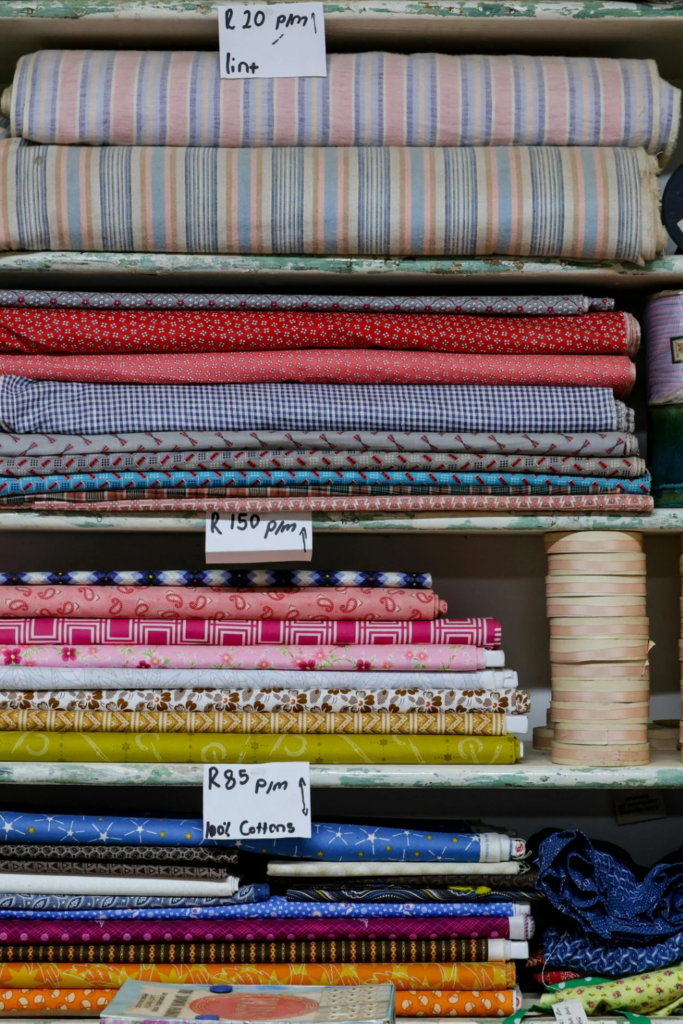
2. Linen
Linen is a favourite as it stitches beautifully but there are some downfalls
Pros of linen:
- Strong natural fibres
- Elegant texture
Things to keep in mind:
- True genuine Linen is expensive
- Looser weave can be hard to work with for a beginner
If you are a beginner choose a medium-weight linen rather than very loose weaved one.

3. Aida Fabric
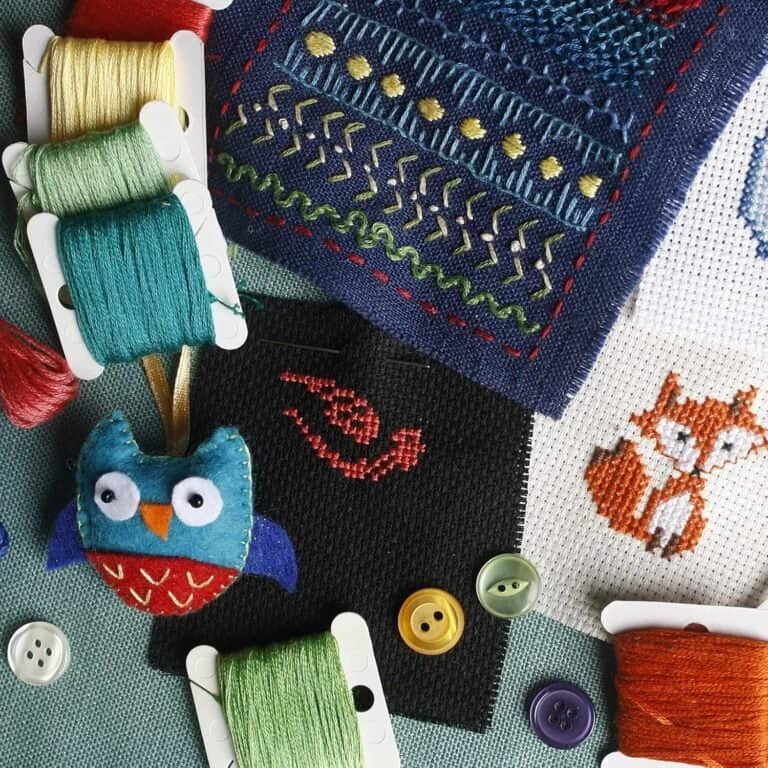
Aida fabric is commonly used for cross stitch, but it can also work for hand embroidery in some projects.
Why people use Aida:
- Clearly defined grid
- Easy to count stitches
- Very beginner-friendly
Best for:
Cross stitch Samplers Geometric designs
Aida isn’t ideal for free-form embroidery, but perfect for non organic and structured designs.
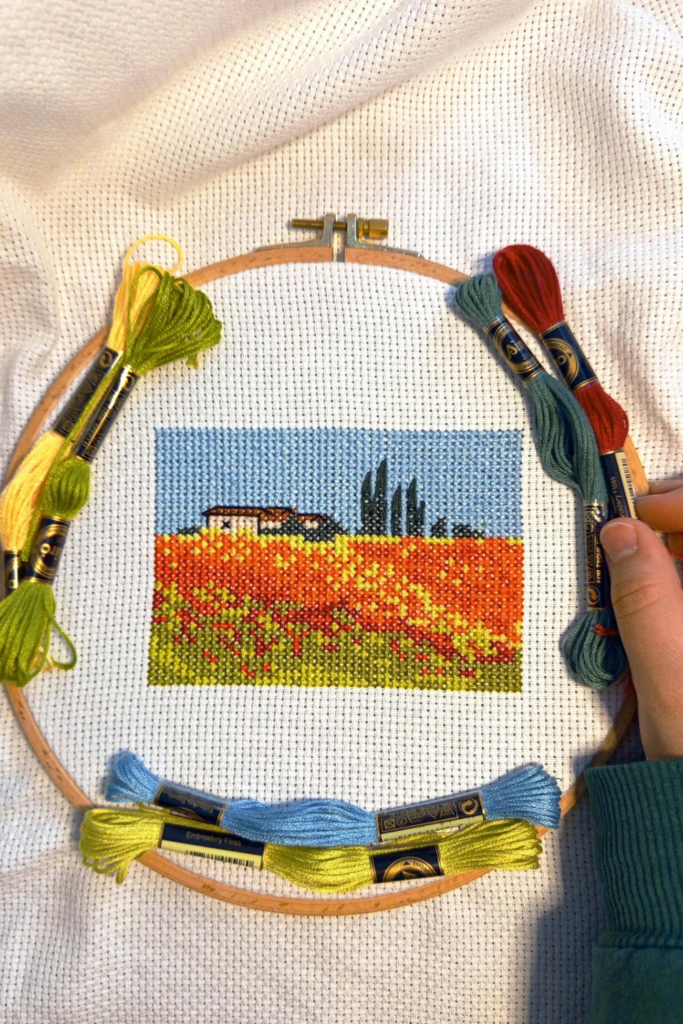
4. Evenweave Fabric
Evenweave fabrics (like Lugana or Jobelan) have evenly spaced threads making it easy to work with for embroidery
Pros:
- Smooth surface
- Consistent weave
- Easy to stitch on
What I recommend:
Detailed designs Samplers Mixed embroidery styles
This is the next fabric type to try after Aida fabric. Master using Aida then you will be great with this one.
5. Muslin
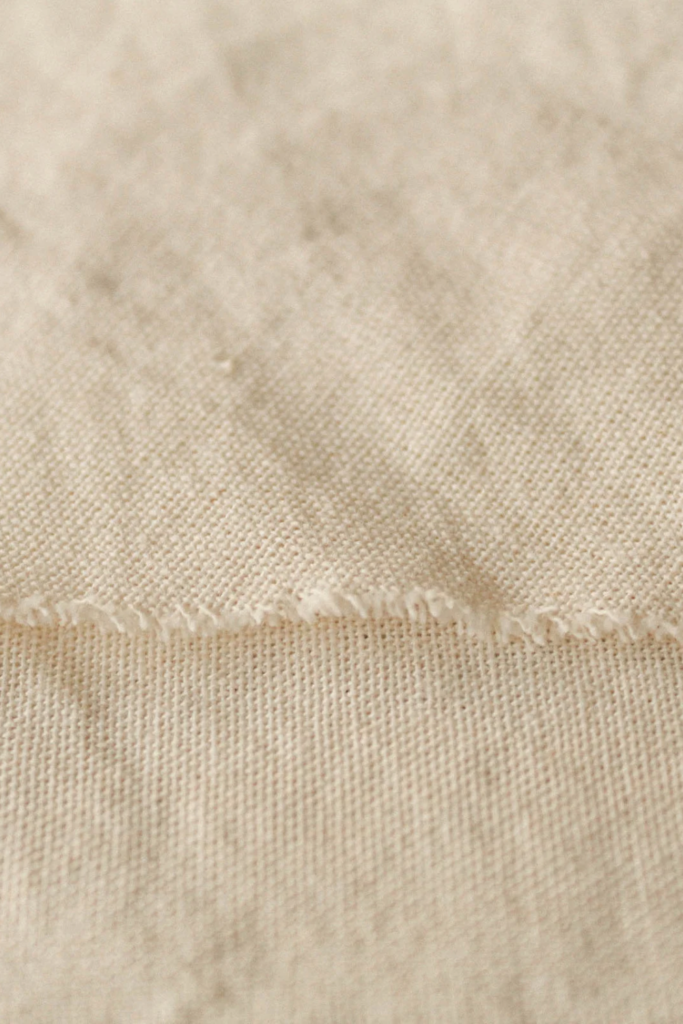
Muslin is inexpensive and easy to find, making it a great practice fabric
Why use muslin:
- Affordable Good for testing stitches
- Easy to mark patterns on
Muslin isn’t ideal for final pieces or gifts, due to its structure but it’s perfect for:
- Stitch practice Testing
- colour combinations
- Learning new stitches
Fabrics to Avoid for Hand Embroidery
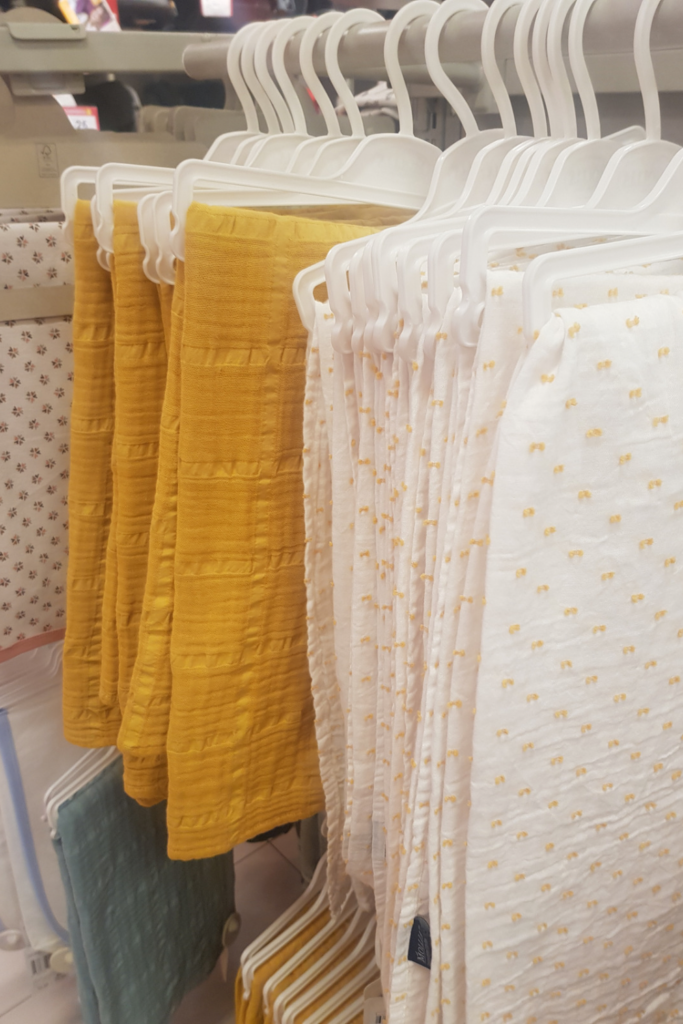
Some fabrics can make embroidery difficult when it doesn’t need to be, especially for beginners.
Try to avoid:
- Stretch fabrics (jersey, knits)
- Very thin fabrics (chiffon, voile)
- Slippery fabrics (silk satin)
- Heavily textured fabrics
These fabrics don’t hold hoop tension so well and that will case messy stitches that are uneven.
Should You Use Stabiliser?
If your fabric is slightly thin or loosely woven, using a stabiliser can help. A stabiliser is like a backing to strengthen the fabric while you stitch.
Good options include:
- Wash-away stabiliser
- Tear-away stabiliser
- Backing fabric like muslin
Stabilisers are mainly used for:
- More detailed designs
- Embroidery on Clothing
- Learning Embroidery
- Store bought patterns
Best Fabric for Embroidery Hoops
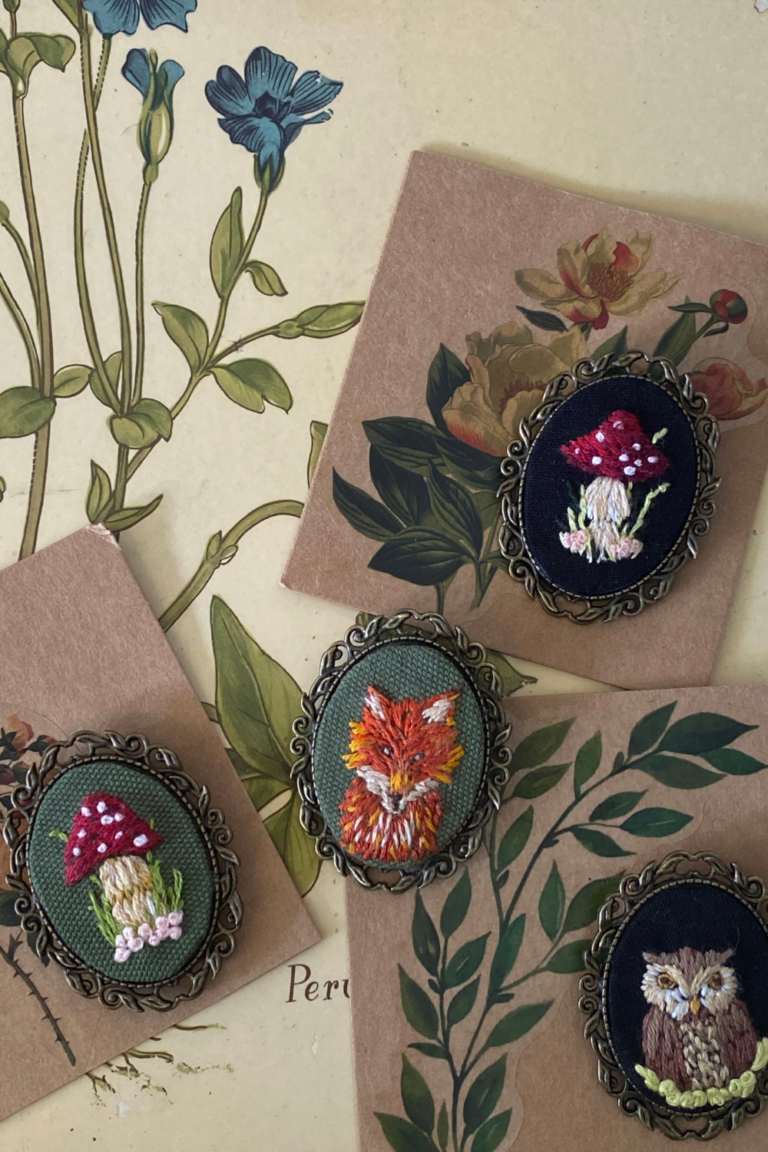
If you’re making embroidery hoops for decoration or gifts, I recommend:
Medium-weight cotton or linen in a neutral color
These fabric types will stay taut in the hoop
Final Thoughts
The best fabric for hand embroidery depends on your project, but cotton is the most beginner-friendly choice. If you are learning use cotton fabric first.
Happy stitching 💛